ACTIVE
RESEARCH
Multi-Modal Physical Activity and Biochemical Upregulation
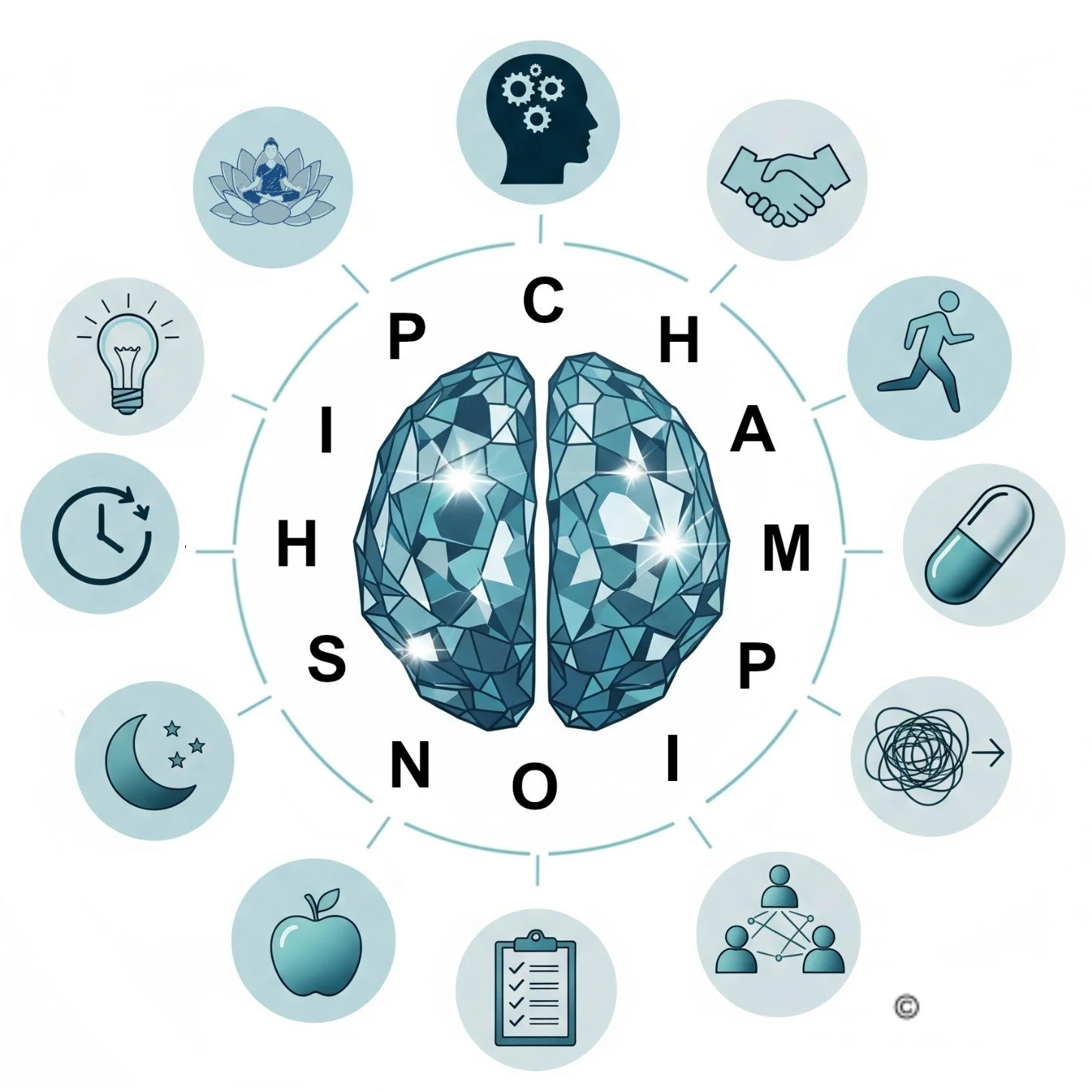
Multi-modal exercise can activate the brain's ability to rewire and make new neural connections. Various types of workouts can help cognitive functioning, resilience, and symptom reduction following a brain injury.28,29 Cotman et al28 found that exercise can upregulate brain-derived neurotrophic factor, supplying the metabolic signal that helps to reduce neuroinflammation and allow for neuroplastic repair in injured brains. Cardiovascular adaptations from cardiovascular exercises such as jogging, swimming, and bicycling are important for injury recovery. Hillman et al29 discovered that some of these physiological cardiovascular adaptations, including brisk walking, increase cerebral blood flow while downregulating pro-neuroinflammatory responses in the brain. Erickson et al30 proved that aerobic exercise can directly increase hippocampus volume, the area that drives neurogenesis, which supports memory and spatial learning skills. These specific types of exercise are effective treatment for cognitive functions after neurological injuries. The ability to track progress and prescribe exercise at the proper dose ensures that the brain receives proper nourishment and begins to restore energy and return to normal function.
Concussive injury biomechanics often lead to other impairments, in particular, the neck dysfunction that complicates concussion healing.31 In many cases, a brain injury creates a chronic state of tension in the neck and shoulders, contributing to postconcussive symptoms and cervicogenic headaches.31 To address dizziness and instability, it’s also recommended to treat cervicovestibular problems in tandem with other rehabilitation methods. Schneider et al32 reported that a combination of vestibular and proprioceptive exercises combined with cervical therapy can improve vertigo, equilibrium, and neck dysfunction that occurs when a brain injury disrupts sensory processing. Exercises involving standing on one leg or exercising on unstable platforms help to develop the sensorimotor system's capacity to self-organize and develop kinesthetic and spatial awareness.
Combining brain activation through a cognitive stimulus with physical training can improve neuroplasticity benefits for post-brain injuries.33 Herold et al33 described the additive effects of integrating aerobic exercise with cognitive stimulation, which can require executive processing, memory, and attention. Dual-task approaches, such as dance or noncontact cardiovascular boxing, are examples of cognitive-physical training activities that require coordinated physical and mental processing, improving executive attention, mental processing, and motor skills with low to no patient risk.33
As with other types of injury recovery, the goal is to exercise regularly at a submaximal level of symptomatology. The idea is to stay within a level of exercise that doesn't lead to fatigue or an exacerbation of symptoms. Leddy et al34 reported that individualized sub-symptom aerobic exercise can improve autonomic regulation and executive control during concussion recovery. Leddy et al35 validated this finding in a randomized control trial, demonstrating that regular, mild aerobic activity promotes brain activity without precipitating a symptom flare, which allows for clinical recovery to occur more safely and quickly.