NUTRITION
RESEARCH
The Microbiome-Gut-Brain Axis and Neuroinflammation
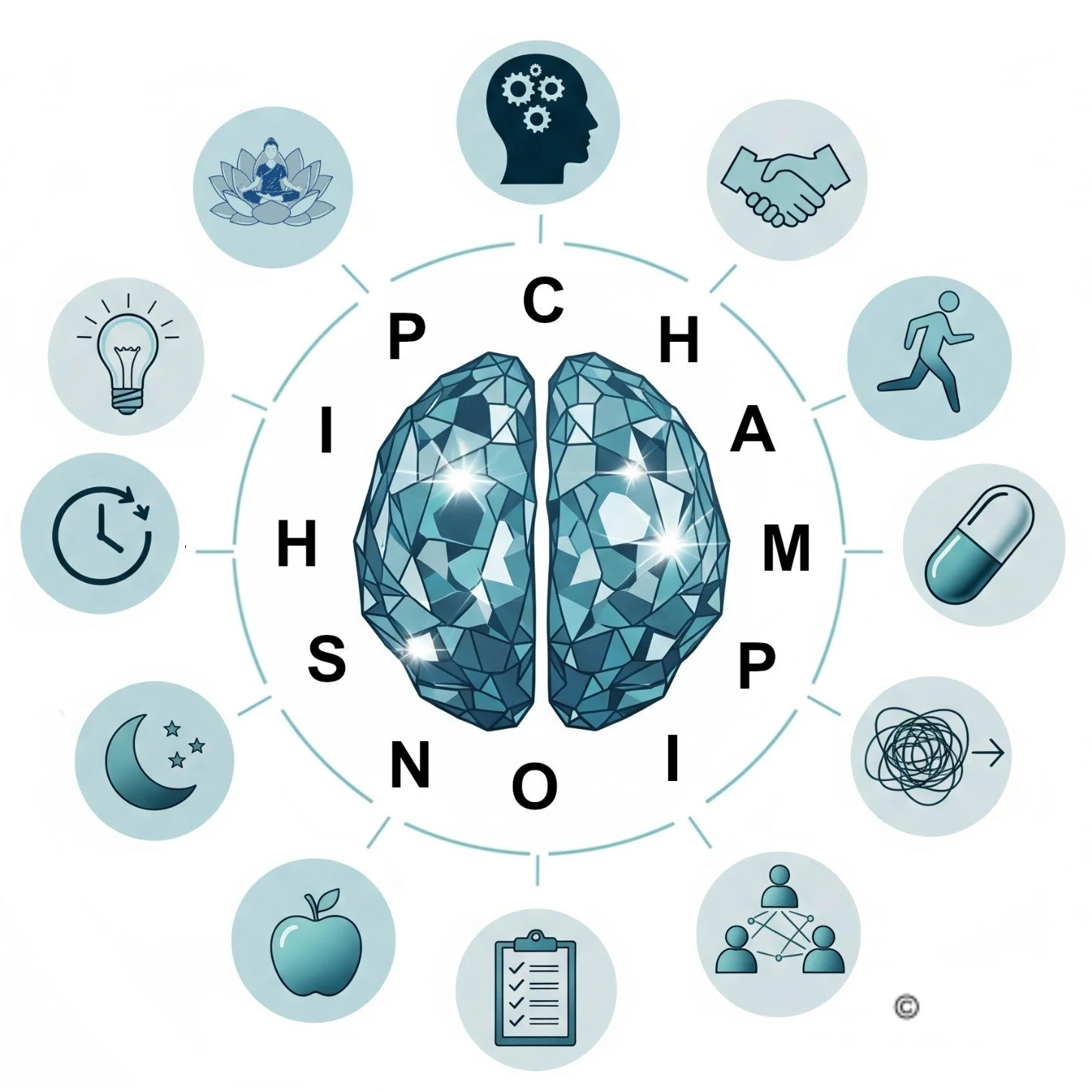
A diet focused on reducing the neuroinflammation and oxidative stress that underlies symptoms of brain injury should be used to manage patient symptoms after injury. Through clinical trial, Valls-Pedret et al84 offer the Mediterranean diet as a preventative way to combat damage in neurovascular and antioxidant defense functions and contribute to preserving neuronal function. The Mediterranean diet is a good starting point for this brain-healthy diet, as scientific literature supports its benefits for brain health.84-86 A systematic review by Lourida et al85 showed that a Mediterranean diet protects against cognitive decline and dementia. Sofi et al86 found that the Mediterranean dietary pattern is associated with a protective effect against major chronic diseases by reducing neuroinflammation.
A modified Mediterranean style of diet can be developed to address neuroinflammation and focus on raw, whole foods. This modified Mediterranean dietary pattern may be categorized into a “daily” pyramid and a “restricted” pyramid. The “daily” pyramid is largely made up of unlimited raw or juiced fruits and vegetables, supplemented by beans and legumes, and limited amounts of raw nuts and seeds. Gómez-Pinilla87 showed that a whole food diet, heavy in unprocessed plant foods, is a dietary model for the brain that regulates energy metabolism and synaptic plasticity.
The “restricted” pyramid allows for occasional fish and chicken, but recommends very limited, if any, consumption of foods with inflammatory potential like red meat, oils, processed foods, and sugar. Morris et al88 supported this by swapping out processed foods and red meat, which are able to cross the blood-brain barrier and activate microglial neuroinflammation, for nutrient-dense plant foods, which proved to be protective against further cognitive decline and associated with improved brain health. It is mistakenly thought that a whole plant food-based diet is unable to support the body's nutritional needs during physical and neurological recovery. Vauzour89 showed this to be untrue that replacing meat with nutrient-dense plant foods, such as traditional legumes, nuts, and vegetables. The switch resulted in a nutritional upgrade and provided critical dietary polyphenols, which are neuroprotective, prevent neuroinflammation, and aid in cognitive function.89 A diet focused on anti-inflammatory, nutrient-dense food can result in decreased brain fog and increased attention and motivation.88-90 Cryan et al90 discovered that an anti-inflammatory diet was protective through modulation of the microbiota-gut-brain axis and reduction of neuroinflammation, which led to improved cognitive function and decreased brain fog in patients with a variety of neurological diseases.
Looking at neurorehabilitation, caffeine and alcohol is detrimental and should be strictly limited.47-49 Weil et al91 showed that alcohol inhibits the anti-inflammatory response in the brain, leading to prolonged acute neuroinflammation after TBI. Roehrs and Roth92 found that regular caffeine intake affects the pathophysiological recovery of a concussed brain by disrupting the architecture of sleep and restricting blood flow. Having patients that continue to use these substances may contribute to the severity of their concussion symptoms and will not be helpful to a nutrition rehabilitation strategy.