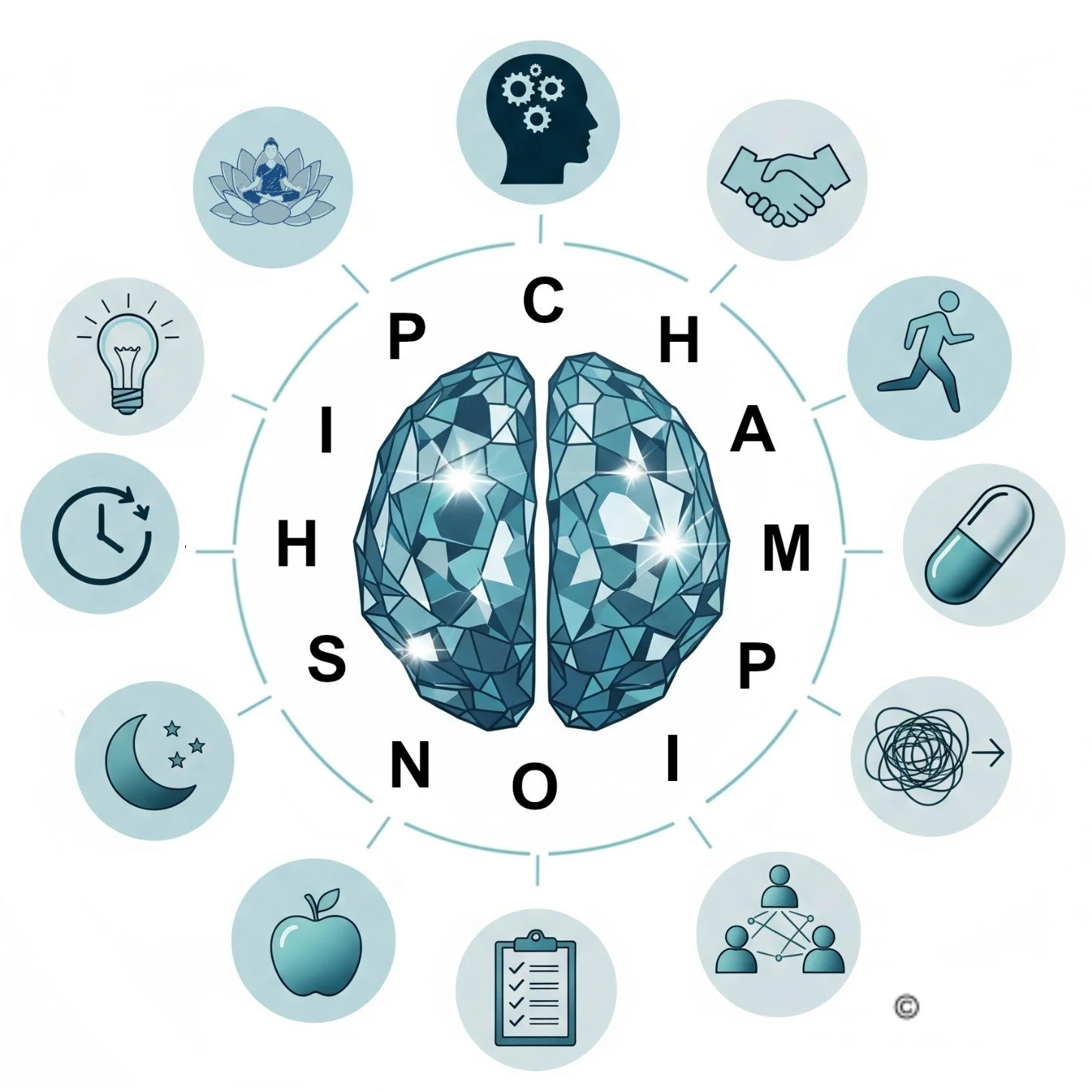
PRUNING
RESEARCH
Cognitive Load Theory and Task Decomposition
During neurorehab, cognition can be challenging, which makes tasks and projects often feel impossible. This can lead to anxiety and feeling overwhelmed, which can cause the patient to shut down and do nothing.50 Task decomposition takes an impossible-looking activity and makes it a series of small duties that seem more possible and doable.50 Levine et al50 describe the need to break down difficult action plans into smaller parts, with Goal Management Training identified as a successful treatment for executive dysfunction and organizational impairment after brain injury.
Completing a small part of a larger action plan, or a goal, activates the neuromodulatory system that governs motivation and provides a feeling of accomplishment through dopamine.51,52 Jenkins et al51 explain that disruption to the catecholamine systems, especially dopamine, is the cause of ongoing cognitive problems and apathy after traumatic brain injury. Bromberg-Martin et al52 explain dopamine neurons as transmitting motivational value and relevant rewarding events. By framing tasks in ways to generate positive reinforcement throughout the day, patients are more likely to use their dopaminergic brain systems to overcome feelings of failure, anxiety and apathy.
Trying to do a repeated task or a complex task at once can aggravate the cognitive difficulties of an inured brain that has limited energy and can lead to a cognitive crash. Cantor et al53 describe how a neurocompromised brain uses more energy to compensate for damaged pathways. With frequent breaks the cognitive system is not overly stressed, so the brain can function optimally. A well-known pacing plan includes the use of a modified Pomodoro Technique. It splits down each day into 25-minute task sprints, with breaks every 25 minutes lasting 5 minutes. Ariga and Lleras54 describe how brief, scheduled mental breaks deactivate and reactivate task goals, allowing the brain to reset and maintain sustained attention. While physically taking a break to stretch, go outside, dance, or listen to music, the brain is getting a chance to reset. Boksem and Tops55 describe how these restorative, enjoyable breaks are actually a dopamine reward system, offsetting the energetic cost of performance and enabling the motivation to stay on task.
In neurological rehabilitation, every win is a major win. No victory is a small victory. Cicerone et al56 state that evidence based cognitive rehabilitation must systematically break down complex problems into component parts. Recognizing every small win and taking every small rest creates an “All I Do Is Win” mentality, which develops feelings of hope and control in a symptomatic brain that can often feel overwhelming.57 Levack et al57 describe how the strategy of enhancing goal pursuit, by setting specific and achievable short-term goals, is an effective way to maintain motivation for rehabilitation.
A pattern of winning through each day, one victory at a time, provides consistent positive feedback. This means the patient is more likely to stay engaged with rehab and on a treatment plan.58 Wade58 states that when patients are active participants in identifying and prioritizing small, appropriate goals, they report feeling more autonomous and satisfied with their treatment. Having an easy to accomplish list for the morning, such as turning on the lights and/or brushing teeth, can create a feeling of positive momentum in the day. Starting the day with an easy to achieve task provides the patient confidence for taking on a more complex task later in the day, while maintaining mental energy.