RESEARCH
Applying a Modern Multimodal Framework for Neurological Rehabilitation in Athletic Populations
Dr. Diamond L. E. Miller, PhD, ATC, CSCS
Introduction to the Evolving Framework of Neurological Rehabilitation
The approach to neurological rehabilitation for mild traumatic brain injury (mTBI) and sport-related concussions has changed. Until recently, clinical management of these injuries focused on strict physiological and cognitive rest. Contrada et al1 demonstrated that current neurorehabilitation considers the injured Central Nervous System (CNS) as a connected network system requiring specific, multidomain stimulation to promote neuroplastic synaptogenesis, modulate neuroinflammation and restore autonomic balance. A 25-year, multidomain assessment and multimodal rehabilitative study by Stavitz et al2 in 2026 supports the multimodal approach. This approach creates lasting cognitive improvements and indicates the brain responds best when treated as an active connected network.2
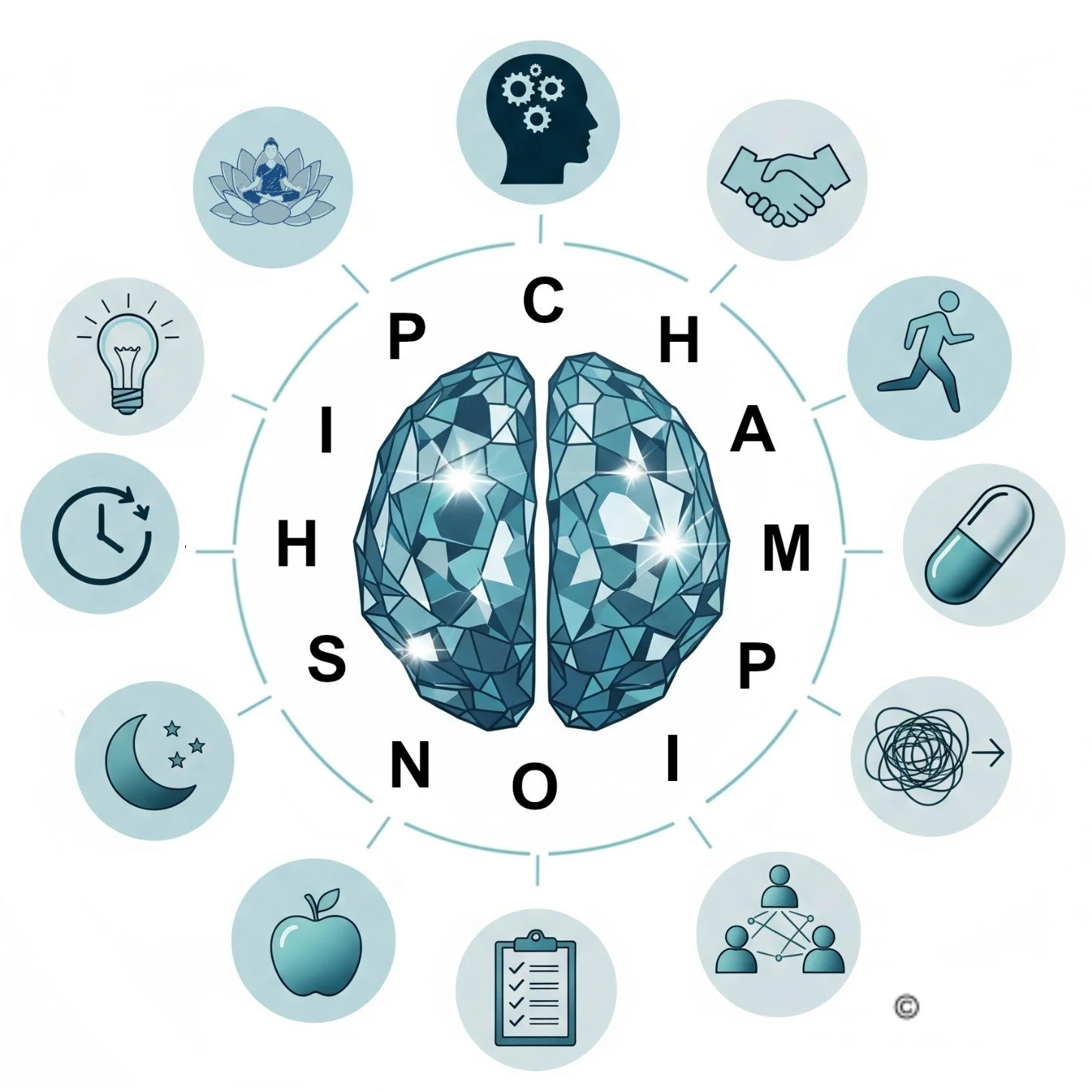
There is a growing need for athletic trainers and clinicians to offer specific, evidence-based protocols for patients who experience TBI symptoms. The C.H.A.M.P.I.O.N.S.H.I.P. Game Plan is a multimodal approach designed for athletes to incorporate these established concepts. This protocol for managing brain injury symptoms consists of 12 principles: Cognitive, Help, Active, Medication, Pruning, Interact, Organize, Nutrition, Sleep, Habits, Inspiration, and Peace. As demonstrated by Kontos et al3, multidomain treatments, like the C.H.A.M.P.I.O.N.S.H.I.P. Game Plan, build resilience to mTBIs, symptom management, and quality of life improvement post-mTBIs.
Comparative Efficacy of a Complete Multimodal Neurological Rehabilitation Approaches Versus Individual Therapies
In previous models of neurorehabilitation, individual therapies were used in silos for the management of vestibular impairments, motor dysfunction, cognitive deficits, and cervical spine issues. The recent findings by Stavitz et al2 showed that mTBIs present more frequently as a diffuse axonal injury and multi domain dysfunction across multiple networks (cognitive, somatosensory, ocular, sleep, and autonomic). Multimodal treatment allows for the synergistic effects of neurobiology to occur. Through multimodal intervention, multiple physiological and cognitive domains are stimulated simultaneously, eliciting a cumulative, neuroplastic response that cannot occur through the use of individual therapies.4 Research by Rosenberg et al4 showed that single-domain treatments, while helpful in the management of localized impairment, were not effective in improving global executive function or real-world outcomes due to their failure to take into account the interconnected nature of mental processes.
The most recent multisite randomized controlled trials also show that multimodal interventions are more effective in brain injury rehabilitation than the previous siloed approach. The multidomain lifestyle intervention consisting of diet, physical activity, cognitive training and monitoring vascular risk factors from the FINGER trial by Rosenberg et al4 showed reduced risk of developing cognitive decline over usual care. The randomized study from Kontos et al3 looked at a multidomain (T-MD) intervention trial evaluating adults with mTBIs and found significant improvements in cognitive processing speeds and specific ocular and vestibular dysfunctions when compared to standard management.
Breaking down the C.H.A.M.P.I.O.N.S.H.I.P. Framework
Within each of the following 12 domains, the underlying biochemical and neuroanatomical mechanisms are defined and cited with supporting peer-reviewed literature, applying the theoretical research into practical tools for clinicians to use within neurological rehabilitation.
1. COGNITIVE: Active Cognitive Engagement and Neuroplasticity
Cognitive engagement can activate the brain's capacity to restructure and create new neural circuits through neuroplasticity. As Crosson et al5 clarified, the development of the concept of neural plasticity shows that the brain needs active stimulation through experience to restore impaired pathways. This need for active stimulation is supported by Galetto and Sacco6, who showed that cognitive rehabilitation can cause changes to the brain structure and function in patients with brain injury. This entails a daily practice of tasks that require active mental exertion, similar to an athlete training for a physical sport. Training of the executive functions in this manner encourages neuroplasticity, leading to a greater attention span, better memory, and faster processing speed.7
Solving various types of puzzles, like logic problems (e.g. Sudoku), spatial puzzles (e.g. jigsaw), and word-based puzzles (e.g. crossword) strengthens cognitive functions, including memory, problem-solving, and pattern recognition. Trials by Devanand et al8 found that repeated engagement in word-based activities can achieve superior cognitive benefits over other computerized programs in terms of delaying cognitive impairment over the long term.
Learning a new skill, like playing a musical instrument or being proficient in a second language, requires the formation of new neural circuits. Bialystok et al9 found that the lifelong practice of using another language remodels specific brain networks, leading to more optimal executive control and higher cognitive performance. Zaatar et al10 found that practicing complex musical skills repeatedly can trigger significant structural adaptations and neuroplasticity that can drastically improve overall cognitive function and build cognitive reserve to prevent cognitive decline.
Virtual reality (VR) headsets can also be used for brain rehabilitation to provide stimulating activities, such as virtual sports or simulated escape rooms. Georgiev et al11 showed that VR training can lead to increases in brain cortical gray matter volumes and improved cognitive function, making this an effective tool for neurorehabilitation. VR also promotes spatial and problem-solving skills without the physical risk of actual injury.11 Confirming this finding, Voinescu et al12 concluded that virtual reality provides meaningful, specific, repetitive, safe, and customizable environments for neurorehabilitation.
Reading books and listening to audiobooks following a concussion can promote cognitive plasticity and rebuild concentration. Much like physical overload promotes muscular strength through adaptation, continuously tracking the narrative of the book challenges the brain and promotes cognitive strengthening through resistance training.13 According to Cicerone et al13, the rehabilitation of focus and executive function post-acquired brain injury is possible with structured, evidence-based attention training tasks, including active reading and sustained listening, as the brain is constantly required to parse complex information from the auditory or visual environment. Särkämö et al14 demonstrated that by listening actively on a daily basis, neuroplasticity is promoted in the recovering brain and the attentional abilities of individuals are improved.
In addition, daily auditory exercises improve verbal memory by helping the brain adjust damaged neural networks, which reduces the excessive compensation required for daily information processing.15 Wylie and Flashman15 confirmed the importance of minimizing this cognitive energy expenditure. Cognitive fatigue in patients with traumatic brain injury directly results from overtaxed neural resources, they argue that attentional activities should gradually increase in difficulty to build cognitive endurance.15
Participation in ongoing education can aid in recovery. Taking college or online courses can help with the rehabilitation process because they place a cognitive demand on the neurocompromised brain. This forces the brain to route around damaged neural pathways in a process called compensatory neuroplasticity and to enhance the function of undamaged networks, a process known as neuroplastic reserve.16 According to Stern and Barulli16, by building up a reserve, cognitive demand can protect against further cognitive decline in the brain, thereby decreasing the clinical impact of neuropathology. Sumowski et al17 found that patients with higher levels of education post-traumatic brain injury, despite injury severity, have better cognitive function than those with lower education levels. This was specifically observed in the processing speed, working memory, and episodic memory.17 This theory was applied to the clinical populations by Steward et al18, who supported the findings of the Sumowski et al17 study. Individuals with a higher cognitive reserve, defined pre-injury and post-injury, were better protected from the effects of neuronal degeneration.18
The combination of physical and mental challenges has shown to enhance the recovery process.19 Through a systematic review, Rieker et al19 demonstrated that dual tasks, like interactive dancing and exergaming, are capable of producing synergistic gains in executive function and global cognition by combining physical and cognitive rehabilitation activities at the same time. By engaging the mind and body simultaneously, the brain is able to accelerate neural remodeling. Petzinger et al20 demonstrated that motor training in goal-directed motor skill activities heavily recruits the cognitive networks in the brain by stimulating the expression of brain-derived neurotrophic factors, which aid in synaptic repair and modification.
This training requires the use of a large amount of resources, including coordination, motor memory, and higher executive functions. The brain is forced to compensate for the deficits that occur from the injury. Fritz et al21 demonstrated that motor-cognitive dual-tasking interventions are effective at restoring attentional functioning and divided attention capabilities. The study also concluded that the improvement of cognitive function provides a clinical buffer against further mental and cognitive impairment in patients with cognitive and emotional dysfunction from neurological damage.21
2. HELP: Professional Intervention and Targeted Therapies
It is important to seek professional help for symptom management instead of the patient trying to manage it alone. Behavioral interventions help people deal with frustration, anger, and impulsivity.22 Gómez-de-Regil et al22 showed that cognitive behavioral therapy and mindfulness are effective in treating psychiatric conditions and help with emotion management to assist in reframing negative thought processes in TBI survivors.
Following head injuries or with long-term conditions like chronic traumatic encephalopathy, balance can be impaired and fine and gross motor skills can be compromised. A specialized form of physical therapy is vestibular therapy to combat severe vertigo, balance disturbances, or eye movement issues.23 Alsalaheen et al23 showed that by customizing a treatment plan of vestibular physical therapy interventions can normalize vestibular functioning and decrease chronic vertigo symptoms. The efficacy of this rehabilitation can be enhanced through a specialized screening protocol.24 Kontos et al24 determined that a customized oculomotor screening of TBI patients that incorporates specific interventions for eye movement abnormalities has a direct correlation with restoration of gaze stability and reduction in vertigo following concussions.
By working with a cognitive therapist, patients can receive tailored therapies for memory issues, concentration difficulties, and slow mental processing. Executive dysfunctions can include difficulties with higher-level cognitive processes that include planning, organization, and goal management.25 Van Heugten et al25 did a systematic review that proved cognitive rehabilitation improves attention, information processing speed and general cognitive abilities in persons with acquired brain injury. These therapies are individualized to the patient by increasing cognitive demand to keep the cognitive load constant and challenging but not overwhelming to the point of fatigue.
Occupational therapists can be helpful with issues surrounding long-term neurodegenerative symptoms to address functional deficits. This allows patients to remain more independent and live longer without needing constant caretaker assistance by modifying environments and habits. Dawson et al26 saw that the use of client-centered interventions through occupational therapy strategies improved functional performance in persons with a history of brain trauma. Laver et al27 showed that virtual-reality-based therapies can improve motor function and activities of daily living when used alongside traditional rehabilitation in TBI rehabilitation. These therapies help in providing a safer home environment by making safety modifications, teaching how to use adaptive equipment in activities of daily living, and helping to regain independence in daily life and functioning.26,27
3. ACTIVE: Multi-Modal Physical Activity and Biochemical Upregulation
Multi-modal exercise can activate the brain's ability to rewire and make new neural connections. Various types of workouts can help cognitive functioning, resilience, and symptom reduction following a brain injury.28,29 Cotman et al28 found that exercise can upregulate brain-derived neurotrophic factor, supplying the metabolic signal that helps to reduce neuroinflammation and allow for neuroplastic repair in injured brains. Cardiovascular adaptations from cardiovascular exercises such as jogging, swimming, and bicycling are important for injury recovery. Hillman et al29 discovered that some of these physiological cardiovascular adaptations, including brisk walking, increase cerebral blood flow while downregulating pro-neuroinflammatory responses in the brain. Erickson et al30 proved that aerobic exercise can directly increase hippocampus volume, the area that drives neurogenesis, which supports memory and spatial learning skills. These specific types of exercise are effective treatment for cognitive functions after neurological injuries. The ability to track progress and prescribe exercise at the proper dose ensures that the brain receives proper nourishment and begins to restore energy and return to normal function.
Concussive injury biomechanics often lead to other impairments, in particular, the neck dysfunction that complicates concussion healing.31 In many cases, a brain injury creates a chronic state of tension in the neck and shoulders, contributing to postconcussive symptoms and cervicogenic headaches.31 To address dizziness and instability, it’s also recommended to treat cervicovestibular problems in tandem with other rehabilitation methods. Schneider et al32 reported that a combination of vestibular and proprioceptive exercises combined with cervical therapy can improve vertigo, equilibrium, and neck dysfunction that occurs when a brain injury disrupts sensory processing. Exercises involving standing on one leg or exercising on unstable platforms help to develop the sensorimotor system's capacity to self-organize and develop kinesthetic and spatial awareness.
Combining brain activation through a cognitive stimulus with physical training can improve neuroplasticity benefits for post-brain injuries.33 Herold et al33 described the additive effects of integrating aerobic exercise with cognitive stimulation, which can require executive processing, memory, and attention. Dual-task approaches, such as dance or noncontact cardiovascular boxing, are examples of cognitive-physical training activities that require coordinated physical and mental processing, improving executive attention, mental processing, and motor skills with low to no patient risk.33
As with other types of injury recovery, the goal is to exercise regularly at a submaximal level of symptomatology. The idea is to stay within a level of exercise that doesn't lead to fatigue or an exacerbation of symptoms. Leddy et al34 reported that individualized sub-symptom aerobic exercise can improve autonomic regulation and executive control during concussion recovery. Leddy et al35 validated this finding in a randomized control trial, demonstrating that regular, mild aerobic activity promotes brain activity without precipitating a symptom flare, which allows for clinical recovery to occur more safely and quickly.
4. MEDICATION: Pharmacological Interactions and Intracellular Homeostasis
Werner and Engelhard36 describe how traumatic brain injuries change normal brain signaling pathways and disturb cellular homeostasis. No medication can cure the primary medical trauma that leads to TBI and concussions.37 Pharmaceuticals and supplements can be used as part of a holistic treatment plan for issues like inflammation and cellular stress in addition to headaches, sleep dysfunction, anxiety, and depression.37 Cornelius et al37 analyzed traumatic brain injury and found that by reducing oxidative stress with specific antioxidant treatments, there is decreased neuroinflammation and protection against secondary neuronal damage.
Sleep dysfunction is a common secondary effect of concussions due to imbalances in neurochemistry.38 Shekleton et al38 noted that patients with traumatic brain injury frequently had lower concentrations of endogenous melatonin, which is one cause of their sleep dysfunction. Grima et al39 conducted a randomized controlled trial to test this and found that, properly dosed, melatonin supplementation is beneficial for treating sleep disturbances and restoring rest after traumatic brain injury. When using any supplement, patients should be cautioned that most are unregulated and should ensure that the supplements are independently tested by a nonprofit scientific organization, such as the USP or NSF International, to guarantee quality and purity.
Managing symptoms post-injury requires careful consideration of the types of medication utilized, particularly nonsteroidal anti-inflammatory drugs (NSAIDs). McCrory et al40 provide consensus guidelines for the management of concussions that specifically advise that NSAIDs like ibuprofen and aspirin should be avoided during the acute stage after a traumatic brain injury to avoid a potential risk of secondary intracranial bleeding. Awtry and Loscalzo41 describe the role of aspirin in inhibiting prostaglandin production while reducing pain and inflammation while impacting platelet function. Mazaleuskaya et al42 explain the use of ibuprofen to manage minor pain such as headaches by inhibiting the cyclooxygenase enzymes responsible for causing inflammation.
Post-head trauma, Non-NSAID treatments are advised during the acute window if pain management is needed. According to Ohashi and Kohno43, acetaminophen provides analgesia to patients, acting on the central nervous system by working inside the brain and spinal cord to reduce pain perception. This delivers the benefit of decreasing the effects of pain without the associated negative anticoagulant effects of NSAIDs that can occur during this acute recovery period.43
For patients with headaches outside of the acute window, specific combinations of medications can reduce symptoms. Lipton et al44 conducted a large double-blind study on fixed combinations of acetaminophen, aspirin, and caffeine that determined the mixture was an effective treatment for reducing head pain and other related side effects like photophobia. Lipton et al45 reviewed the data further to show that low doses of caffeine are effective at improving acute headaches as an adjunct to other analgesics due to the effect of caffeine as a vasoconstrictor. This reduction in dilation of cranial vessels reduces pressure and associated head pain.44-46 Echeverri et al46 confirmed the vascular actions of caffeine to further explain this action.
Despite these rare and specific applications, daily caffeine intake that is not metered should be discouraged during brain injury rehabilitation.47 Diener and Limmroth47 describe the potential adverse effects of chronic daily use of caffeine that lead to an increase in the frequency and severity of a patient’s headaches. Drake et al48 also provide evidence of the detrimental effects of frequent caffeine use on the recovery and quality of sleep. Caffeine presents an increased risk for those patients who report anxiety as a symptom following a concussion. Richards and Smith49 demonstrate that caffeine consumption leads to increased anxiety during neurological rehabilitation.
5. PRUNING: Cognitive Load Theory and Task Decomposition
During neurorehab, cognition can be challenging, which makes tasks and projects often feel impossible. This can lead to anxiety and feeling overwhelmed, which can cause the patient to shut down and do nothing.50 Task decomposition takes an impossible-looking activity and makes it a series of small duties that seem more possible and doable.50 Levine et al50 describe the need to break down difficult action plans into smaller parts, with Goal Management Training identified as a successful treatment for executive dysfunction and organizational impairment after brain injury.
Completing a small part of a larger action plan, or a goal, activates the neuromodulatory system that governs motivation and provides a feeling of accomplishment through dopamine.51,52 Jenkins et al51 explain that disruption to the catecholamine systems, especially dopamine, is the cause of ongoing cognitive problems and apathy after traumatic brain injury. Bromberg-Martin et al52 explain dopamine neurons as transmitting motivational value and relevant rewarding events. By framing tasks in ways to generate positive reinforcement throughout the day, patients are more likely to use their dopaminergic brain systems to overcome feelings of failure, anxiety and apathy.
Trying to do a repeated task or a complex task at once can aggravate the cognitive difficulties of an inured brain that has limited energy and can lead to a cognitive crash. Cantor et al53 describe how a neurocompromised brain uses more energy to compensate for damaged pathways. With frequent breaks the cognitive system is not overly stressed, so the brain can function optimally. A well-known pacing plan includes the use of a modified Pomodoro Technique. It splits down each day into 25-minute task sprints, with breaks every 25 minutes lasting 5 minutes. Ariga and Lleras54 describe how brief, scheduled mental breaks deactivate and reactivate task goals, allowing the brain to reset and maintain sustained attention. While physically taking a break to stretch, go outside, dance, or listen to music, the brain is getting a chance to reset. Boksem and Tops55 describe how these restorative, enjoyable breaks are actually a dopamine reward system, offsetting the energetic cost of performance and enabling the motivation to stay on task.
In neurological rehabilitation, every win is a major win. No victory is a small victory. Cicerone et al56 state that evidence based cognitive rehabilitation must systematically break down complex problems into component parts. Recognizing every small win and taking every small rest creates an “All I Do Is Win” mentality, which develops feelings of hope and control in a symptomatic brain that can often feel overwhelming.57 Levack et al57 describe how the strategy of enhancing goal pursuit, by setting specific and achievable short-term goals, is an effective way to maintain motivation for rehabilitation.
A pattern of winning through each day, one victory at a time, provides consistent positive feedback. This means the patient is more likely to stay engaged with rehab and on a treatment plan.58 Wade58 states that when patients are active participants in identifying and prioritizing small, appropriate goals, they report feeling more autonomous and satisfied with their treatment. Having an easy to accomplish list for the morning, such as turning on the lights and/or brushing teeth, can create a feeling of positive momentum in the day. Starting the day with an easy to achieve task provides the patient confidence for taking on a more complex task later in the day, while maintaining mental energy.
6. INTERACT: Social Support and Psychoneuroimmunology
Developing and sustaining relationships helps counteract the social detachment frequently experienced with brain injury symptoms.59 Draper et al59 examined psychosocial results after TBIs and found that loneliness and social disengagement intensify clinical depression and anxiety in the long term. This detachment limits rehabilitation by denying opportunities for engagement and support. A social group, different from a clinical support group, becomes something equivalent to an audience cheering the player from the stands, providing support, belonging, and shared experiences. Tomberg et al60 investigated coping strategies in brain injury patients and discovered that social support acts as one of the main coping mechanisms and serves as a strong moderator for psychological stressors. Struchen et al61 identified the elements involved in social integration and concluded that social communication must be consistently practiced by patients in rehab who hope to establish and maintain these social networks.
There is often noted difficulty in sustaining friendships following a traumatic brain injury. Douglas62 points out that social situations with unpredictable requirements result in prompt fatigue and the leads the patient toward a tendency to withdraw. An event on the calendar that is recurring, like a cup of decaf coffee or tea at a local café each week, creates structure and momentum without adding cognitive load. Ylvisaker et al63 point out that interpersonal interactions in a routine and familiar environment substantially reduce the executive and cognitive burden. To overcome obstacles, clinicians can assist in scheduling social interactions for patients as a routine, helping reduce mental fatigue.
Re-entering social settings following an injury should begin gradually. Togher et al64 state that social and communication rehabilitation needs to be initially conducted within small, controlled, and secure environments to prevent patients from being overwhelmed by larger social situations. Cohen and Wills65 explored the correlation between network size, functional support, and mental health issues and found that a smaller but trusted social group serves as a more effective buffer against depression and psychological hardship. Beginning social efforts with a small social group post-injury is more manageable and builds confidence in the patient. Once the patient gains social confidence with their trusted group, asking group members to bring an additional guest provides a trusted outlet and with slow, controlled social expansion.
Small social gatherings that focus on a common activity or pastime, such as an introductory class or a book club are a simple and accessible methods to establish relationships with others in the community. Willer et al66 conclude that structured participation in community activities creates the foundation to recover social integration after a brain injury. The social encounter centers itself around the shared activity, which lessens anxiety in the encounter.66 Dijkers67 suggests that community volunteerism may offer a structured means of social interactions that provide a sense of belonging. The engagement in community roles provides a significant basis for well-being and successful psychological adaptation during post-injury recovery.67,68 Cicerone and Azulay68 demonstrated that community participation increases patient perceptions of self-efficacy, creating a positive distraction from individual struggles and allowing patients to successfully interact with new people.
In order to remain motivated, patients need to regularly engage in “scoring a point.” Maclean et al68 9ssessed patient motivation and determined that patients with recovery processes focused on achievable personal goals are more motivated in rehabilitation. Levack et al70 found that implementation of goal pursuit strategies can improve self-efficacy and emotional status in rehabilitation. Small victories can instill confidence and deliver the much-needed, positive dopamine feedback to begin moving out of social isolation’s inertial drag.70 Bandura71 established that these small accomplishments constitute a source of self-efficacy. Patients who perceive each interaction as an accomplishment that can be tallied are able to maintain the internalized, positive reinforcement required to persevere with social effort regardless of obstacles that may be encountered along the way.71 Treating each social encounter as an event that can be scored and counted, can help patients replace the defensive, avoidance behaviors of social anxiety with a positive, actionable measure of rehabilitation progress.
7. ORGANIZE: External Memory Aids and Cognitive Offloading
Incorporating external memory aids into patient care can effectively alleviate the memory challenges and increased cognitive demands that accompany a brain injury.72 A systematic review by Gillespie et al72 on assistive technology for cognition showed offloading the cognitive work of remembering appointments and routine daily activities to a digital tool releases cognitive resources to be used for rehabilitation. There is a clear cognitive difference between a calendar and tasks since Shum et al73, demonstrated that the executive function requirements placed on a traumatic brain injury differ between time-based prospective memory, like a calendar, and event-based prospective memory, such as tasks. Calendar items include set appointments for dates or times, while tasks include prioritization that may or may not be associated with a due date. Helping patients separate the two allows the prioritization of tasks more straightforwardly while minimizing the cognitive workloads.73,74 Kliegel et al74 also concluded that separating the executive function demands of the time-based calendar plans from tasks lessens cognitive burden on the brain.
Wearable tech can also support the organizational structure that patients will require post-injury. Jamieson et al74 discovered that a smartwatch can be an invaluable reminder device after a brain injury. A smartwatch serves as a useful tool, gently reminding patients when to take their medications, when to get to appointments, and when to take a break. Jamieson et al76 also found in a systematic review that having digital mobile aids available to patients helps maintain structure through the day and did not add cognitive burden. Clinicians can even help patients use voice commands through smartwatches, smart glasses and apps to set timers, schedule calendar events, and add items to lists. Scullin et al77 conducted a randomized controlled trial showing that teaching patients to use voice activation is a simple and accessible way to manage memory tasks without causing cognitive overload.
In conjunction with the use of wearable tech, a smart phone or tablet acts as a central hub for coordinating everyday activities. When all appointments and daily tasks are logged to a digital calendar, to-do app, or planner app, the smartphone/tablet becomes an accessible memory aid and a living document that can be easily seen and shared between digital devices.78 Writing by hand on a tablet or phone can support neurological recovery since handwriting for notes, appointments, or tasks offers a unique neuronal advantage compared to digital typing.79-80 Mueller and Oppenheimer79 showed that handwriting leads to deeper information processing and memory formation compared to typing on a digital keyboard. Ose Askvik et al79 used a high-density electroencephalography (EEG) to confirm that writing with a digital pen exercises motor control over brain regions across the whole brain. Helping patients create notes, appointments, or tasks that can be shared with other smart devices creates a searchable digital record that is never lost and reduces further cognitive load and anxiety.78 Tablet writing is a valuable tool for both efficient task decomposition and cognition support.
Using digital organization technology in combination creates what can be referred to as an “external brain” which takes the heavy cognitive load of remembering and organizing information off of patients who are neurocompromised. Risko and Gilbert81 developed a framework for cognitive offloading, illustrating that patients that use external aids can be more efficient at cognitive tasks. Using gentle and constant reminders, this system can create a predictable environment to overcome cognitive fatigue. Research by Grinschgl et al82 shows that the cognitive offloading of daily tasks and routines frees up working memory to allow a greater capacity of rest for the injured brain. Ponsford et al83 observed that cognitive fatigue after traumatic brain injury can be a severe neurological side effect in recovery. Helping patients free daily executive memory functions to support the cognitive work of rehabilitation can improve quality of life significantly.
8. NUTRITION: The Microbiome-Gut-Brain Axis and Neuroinflammation
A diet focused on reducing the neuroinflammation and oxidative stress that underlies symptoms of brain injury should be used to manage patient symptoms after injury. Through clinical trial, Valls-Pedret et al84 offer the Mediterranean diet as a preventative way to combat damage in neurovascular and antioxidant defense functions and contribute to preserving neuronal function. The Mediterranean diet is a good starting point for this brain-healthy diet, as scientific literature supports its benefits for brain health.84-86 A systematic review by Lourida et al85 showed that a Mediterranean diet protects against cognitive decline and dementia. Sofi et al86 found that the Mediterranean dietary pattern is associated with a protective effect against major chronic diseases by reducing neuroinflammation.
A modified Mediterranean style of diet can be developed to address neuroinflammation and focus on raw, whole foods. This modified Mediterranean dietary pattern may be categorized into a “daily” pyramid and a “restricted” pyramid. The “daily” pyramid is largely made up of unlimited raw or juiced fruits and vegetables, supplemented by beans and legumes, and limited amounts of raw nuts and seeds. Gómez-Pinilla87 showed that a whole food diet, heavy in unprocessed plant foods, is a dietary model for the brain that regulates energy metabolism and synaptic plasticity.
The “restricted” pyramid allows for occasional fish and chicken, but recommends very limited, if any, consumption of foods with inflammatory potential like red meat, oils, processed foods, and sugar. Morris et al88 supported this by swapping out processed foods and red meat, which are able to cross the blood-brain barrier and activate microglial neuroinflammation, for nutrient-dense plant foods, which proved to be protective against further cognitive decline and associated with improved brain health. It is mistakenly thought that a whole plant food-based diet is unable to support the body's nutritional needs during physical and neurological recovery. Vauzour89 showed this to be untrue that replacing meat with nutrient-dense plant foods, such as traditional legumes, nuts, and vegetables. The switch resulted in a nutritional upgrade and provided critical dietary polyphenols, which are neuroprotective, prevent neuroinflammation, and aid in cognitive function.89 A diet focused on anti-inflammatory, nutrient-dense food can result in decreased brain fog and increased attention and motivation.88-90 Cryan et al90 discovered that an anti-inflammatory diet was protective through modulation of the microbiota-gut-brain axis and reduction of neuroinflammation, which led to improved cognitive function and decreased brain fog in patients with a variety of neurological diseases.
Looking at neurorehabilitation, caffeine and alcohol is detrimental and should be strictly limited.47-49 Weil et al91 showed that alcohol inhibits the anti-inflammatory response in the brain, leading to prolonged acute neuroinflammation after TBI. Roehrs and Roth92 found that regular caffeine intake affects the pathophysiological recovery of a concussed brain by disrupting the architecture of sleep and restricting blood flow. Having patients that continue to use these substances may contribute to the severity of their concussion symptoms and will not be helpful to a nutrition rehabilitation strategy.
9. SLEEP: Glymphatic Clearance and Restorative Mechanisms
During sleep, the brain cleans up harmful metabolic byproducts as well as proteins that are neurotoxic. Xie et al93 showed that deep sleep leads to an increase in the rate of diffusion of cerebrospinal fluid for the elimination of neurotoxic metabolites. It is one of the most important reasons for why sleep is beneficial to the brain. The consolidation of memory happens during sleep due to the strengthening of neuronal connections needed for learning.94 As established by Rasch and Born94, memories are actively reactivated and reprocessed during the slow wave sleep period to become incorporated into long-term memory.
Sleep is essential for rehabilitation since it allows the brain to flush and function properly. Sleep also controls the hormones that facilitate tissue repair and reduce inflammation. Besedovsky et al95 demonstrated that sleep promotes inflammatory homeostasis while aiding with immune functioning. In the same study Besedovsky et al95 also noted that sleep deprivation leads to chronic systemic inflammation. Chronic inflammation can lead to prolonged symptomatology and recovery.
For healthy rehabilitation, clinicians can help patients set up a consistent sleep schedule, including on weekends. This will regulate their circadian rhythm and reduce their daily mental fatigue. As Vasey et al96 explained, when a typical sleep wake cycle is altered, the natural release of melatonin becomes desynchronized with external cues, leading to a reduction in cognitive functioning and interfering with physiological recovery.
Using melatonin around an hour before sleeping can support patients in calming the mind and promoting restorative sleep on a predictable schedule. A randomized controlled trial conducted by Grima et al97 demonstrated that targeted administration of melatonin is effective at improving sleep quality and improving daytime fatigue, specifically in patients recovering from TBIs. As evidenced by Shekleton et al98, patients with a traumatic brain injury suffer from reduced melatonin production in the evening, which disrupts circadian rhythms. Nightly use of melatonin is a simple step that clinicians can suggest for their patients whose normal production of melatonin has been altered by TBI.
An neurocompromised brain requires an improved sleep environment from pre-injury sleep conditions to get an adequate amount of sleep for rehabilitation. Okamoto-Mizuno and Mizuno99 found that maintaining a cool ambient temperature was also necessary for thermoregulation associated with sleep and helped the body transition into deep restorative sleep stages. The use of blackout curtains, in addition to removing or covering electronic devices that emit blue light or sounds, are useful signals to the brain that it is time to go to sleep and helps the patient get a full night of restorative sleep.100 Chang et al100 showed that short wavelength enriched light from electronic devices can lead to the suppression of melatonin, disruption of the circadian clock, and decrease in alertness in the morning and throughout the day.
The organization and arrangement of a patient's sleep environment can assist them in claiming their mind by removing excessive stimuli from their visual field. McMains and Kastner101 utilized MRI to prove that multiple competing stimuli in a cluttered visual field compete for neuronal representation, which causes an inability process information. A healthy sleep routine will calm the patient's mind as it goes to a state of rest. Irish et al102 found that maintaining a healthy sleep routine, like journaling and gentle stretching, as well as eliminating caffeine and alcohol, is beneficial for nocturnal sleep quality and reaching the deep sleep cycle necessary for restoration.
10. HABITS: Routine Predictability
After a brain injury, a daily routine that is consistent and predictable can alleviate cognitive fog and anxiety. Anxiety is triggered by the brain's neurobiological response to uncertainty as described by Grupe and Nitschke103 and can significantly be reduced by a simple, structured routine called habits. Cicerone et al104 established that a structured and regular daily cognitive routine is a helpful therapy method for improving executive function and cognitive fog. Wood and Rünger105 supported this premise by pointing out how habituation removes the need for executive function from the brain and makes routine actions automatic, which reduces cognitive load. Decision fatigue can impair a brain already coping with the trauma of brain injury. Vohs et al106 noted that removing the need to make basic decisions allows the mind to reserve energy for other cognitive tasks instead of depleting it.
Having a morning routine allows patients to wake up and begin the day without the added stress that might be encountered later in the day. Simple habits like making the bed, reviewing the calendar and the to-do list for the day while enjoying a morning juice, eating a healthy breakfast and completing light stretching or exercise are brain-healthy ways to start a day feeling accomplished. These morning activities are supported by behavioral activation, which Ekers et al107 found provides a sense of accomplishment after completing scheduled events and can be used to reduce depressive tendencies following brain injury. A simple act of making the bed in the morning provides a small victory and sets a sense of control for the rest of the day. The habit of reviewing the calendar and to-do list every morning helps to set the structure for getting the patient's day started. Masicampo and Baumeister108 found that setting up goals and writing them down frees up resources in the brain. Having a simple and consistent routine gives the patient accomplishments.
Observing both the sunrise and the sunset in a daily schedule can be a predictable daily event to anchor habits around. Establishing habits and routines around these natural events reinforces the body's circadian rhythm, provides a more consistent wake-up and sleep schedule, and gives stability throughout rehabilitation.109-110 Wright et al109 showed that a natural light-dark cycle was the strongest cue in triggering circadian rhythm patterns. Light synchronization has also been explored by LeGates et al110, finding that natural light environments act as an important stabilizing factor for overall mood and cognitive function.
A calming evening routine sends the signal to the brain that it is time to wind down for the evening. Evening habits might include washing dishes, turning the lights off, writing a journal, getting ideas onto sticky notes and setting the alarm for the next morning. Harvey111 showed that unmanaged presleep cognitive stimulation causes insomnia, leading the brain to be kept from transitioning into a healthy, restorative sleep state.
Clinicians can have patients write down their thoughts or worries during the evening so they can be released from the mind before bed. Risko and Gilbert112 described this concept as cognitive offloading, establishing that the use of an external physical medium reduced the patients need to keep track of tasks in the mind. In overnight sleep studies, Scullin et al113 validated this by finding that writing down a to-do list for the following morning reduces delay to sleep compared to just thinking about the tasks at hand.
Writing down thoughts, worries and reflections of the day in a journal can be a powerful way for patients to process the events of the day and clear the mind for nighttime. This habit can support patients in better processing the day, letting go of anxieties or fears and preparing their brain for a restorative sleep. Baikie and Wilhelm114 observed that writing contributed in the cognitive processing of stressful thoughts. By offloading thoughts through journaling, the patient signals their brain to let go of the day's cognitive load and begin restorative sleep at night.
11. INSPIRATION: Psychosocial Dynamics and Injury Reporting
Patients with brain injuries can feel like they need to keep their symptoms to themselves and isolate. Feelings of inadequacy or shame can come in, making recovery more difficult by trying to do it alone. Cacioppo and Hawkley115 found that social isolation negatively impacts the brain by causing inflammation and worsening the neuroendocrine stress response that negatively impacts cognition and rehabilitation. Ozbay et al116 suggest building a social support system to combat the stress and anxiety. By having a support system, patients can buffer the neurobiological stress response by increasing resilience and protecting the recovering brain from the damaging physiological effects of both trauma and anxiety.116
Teammates can be a wonderful source of inspiration and support for patients in team sports. Being there for each other during rehabilitation with a sense of inclusion maintains motivation.117 Wiese-Bjornstal et al117 established that maintaining social integration with teammates and coaches during rehabilitation is important for an athlete to recover self-esteem, reduce emotional distress, and promote physical and psychological recovery.
Not every patient is going to have current teammates. Finding new teammates through an online or in-person support group is a way to share and learn coping strategies not always possible on their own. Dennis118 demonstrated that peer support is a complement to formal healthcare because it allows patients to share experiential knowledge, provide practical advice, and encourage one another. Sharing stories, struggles, advice, and even dark humor will be a healthy, easy-to-comply-with coping strategy to recommend to patients post-brain injuries. Muldoon et al119 showed that getting patients involved in meaningful group activities involving others with similar neurological conditions can be important “team” support that contributes to adaptation and resilience. These new teammates understand what the patient has been through with concussions and they can celebrate the wins and validate the process with each other. Haslam et al120 revealed that taking on a shared social identity gives meaning and a sense of belonging to patients as a form of "social cure.”
When family and friends of the patient understand the reasons behind what they are seeing day-to-day, they can better support the patient. Kreitzer et al121 reviewed caregiver and dyad interventions, which showed that when the patient's "inner circle" is educated about traumatic brain injury symptoms, the relationship shifts to become an active inspirational relationship. Once informed, the patient’s inner circle can support them different ways, like offering practical assistance, being a sounding board, and providing a distraction.121 With understanding, they can also learn to predict the patient’s needs during difficult times and improve the rehabilitative environment or situation.121 Celebrating small milestones with the patient's chosen “teammates” provides motivation to continue the rehabilitation. Locke and Latham122 found that setting clear goals and tracking progress on complex tasks can increase patient self-determination, self-efficacy and emotional state. Keeping track of those small wins by creating a "victory log" can be shared with chosen teammates and allows them to celebrate the patient’s progress as well as encourage engagement.
Uchino et al123 pointed out that social support can be in the form of tangible, instrumental, or emotional to decrease the patients stress and maximize cranial health. By identifying the different types of support roles, the patient can receive the type of support needed for symptom management and rehabilitation. One chosen teammate may be better suited to be a fun, lighthearted distraction, while another could be better suited to listening to deeper emotions.
12. PEACE: Environmental Control and Sensory Gating
Post-concussion, the brain is constantly on high alert and can present as emotional stress or sensory overload. This can cause an increase of the stress hormone cortisol which can cause or worsen headaches, fatigues, and brain fog.124,125,127,128 Calcia et al124 found that psychological stress directly provokes neuroinflammation by activating microglia, leading to intensifying a patient's cognitive and physiological symptoms. McEwen125 discovered that the neuroflood of stress hormones can increase neuroinflammation, disrupt neural plasticity and interfere with the brain's ability to repair the damaged neural network. A calming neurological and external environment allows the patient’s compromised brain to move resources toward neurological rejuvenation.
mTBIs can cause a disruption in sensory gating, which makes it difficult to tune out background stimulation like noise, lights, or people.126 Through the use of electrophysiological testing, Arciniegas et al125 revealed that TBIs damage neurological gating mechanisms, leading to patients interpreting common environmental stimulation as severely overstimulating. To help patients create a calming environment, clinicians can recommend the use of noise-canceling headphones, sunglasses, a hooded shirt or brimmed hats, and low lights to reduce the neurological burden of sensory overload.
To avoid becoming overwhelmed in conversation, clinicians can teach patients verbal de-escalation strategies, including the ability to ask for a break during a dicussion, change the subject to something neutral, or use a mutual positive memory as a conversational pivot point. Learning to manage conversations is an important skill during recovery because confrontational and emotionally charged situations can flood the patient's overwhelmed brain with stress hormones. Weil et al127 noted that when the brain floods with neuroendocrine hormones like cortisol, it reduces the brain’s ability to tolerate any additional stress and continues to worsen the patient’s symptoms. Simon et al128 observed that excess stress hormones trigger neuroinflammation, prolonging the patient's recovery process and aggravating headache, brain fog, and fatigue.
When dealing with neurorehabilitation, every external surrounding can be a battlefield of stimulation and attack on the senses. Visual simplicity can be used as a component to achieving a peaceful internal atmosphere. Visual noise demands that the brain process and filter information, which requires additional cognitive resources. Lavie129 developed the load theory of attention, which suggests that processing extraneous visual stimulation in a visually cluttered environment detracts from the brain's limited amount of cognitive processing resources. Minimizing the environment to a visually calming space to live and work reduces the patient's exposure to visual distractions and stress, lowering neuroinflammation and cognitive load.
Teaching patients how to use calming movement, breath and focus can decrease a feeling of overwhelm, stress and anxiety. With the single breath meditation, the patient focuses all attention on the sensation of one inhale and one exhale. This creates cranial silence and gives a moment’s break from the constant internal noise and racing thoughts that are frequently experienced by patients with brain injury.129-131 Through literature and meta-analysis, Ulrichsen et al130 found that applying mindfulness interventions is effective at minimizing mental fatigue and decreasing cognitive overload in patients recovering from brain injury.
Continuing in the realm of mindful exercise, the body scan is a practice in which the patient visually runs through their entire body to note any physical sensations without passing self-judgment. The purpose is to notice any feelings of tension, heat or cold in an effort to keep the mind present and grounded to release stored stress. Grossman et al131 showed that mindful practices, like the body scan, direct attention to sensory-based present moment experiences in order to increase the patient’s coping mechanisms.
Another mindful exercise that can be taught to patients is called "mindful movement," which requires the patient to pay attention to everyday movements like walking. Focusing on the sensation of their feet on the floor or the rhythm of breathing during movement, for example, transforms a common activity into a meditation, decreases the patient’s nervous system activity, and increases calmness. In a clinical literature review, Khoury et al132 found that mindfulness therapies, like mindful movement, can provide lasting reduction in stress and anxiety, reducing the patient’s overstimulated nervous system.
Conclusion: From Silos to Synergy
The once-held belief that neurological recovery is achieved through strict cognitive and physical rest has evolved. Contemporary models of clinical management understand the injured central nervous system as an active network that must be targeted simultaneously across multiple domains to promote neuroplasticity and manage neuroinflammation.1-3
Past treatment protocols often isolated interventions into unrelated therapies that did not harness the power of synergy. These compartmentalized approaches frequently failed to address the complexity of widespread axonal injury or the global metabolic derangement that follows brain trauma.1 Evidence consistently shows that isolated domain treatment has limited carryover to global executive functioning or real-world activities due to a failure to integrate the physiological connections between cognitive, motor, and psychological processes.2
Monotherapy: Cognitive Only. Localized synaptic strengthening in specific cortical regions.2,5-6 Limited transfer to global cognition that does not address systemic metabolic or autonomic deficits.2,5-7,13
Monotherapy: Physical Only. Upregulation of brain-derived neurotrophic factor, angiogenesis, and autonomic regulation.20,28 Improves motor function and autonomic activity, but cognitive processing speed gains often plateau.13,20,28
Multimodal Treatment. Synergistic upregulation of neurotrophins, widespread network integration, and reduced neuroinflammation.2-4 Superior recovery timelines, broad spectrum functional restoration, and higher self-efficacy.2-4
Treatment methods that stimulate more than one domain create a collective response of neuroplasticity that is significantly greater than the sum of separate interventions. Multimodal treatments allow physiological and cognitive targets to be stimulated simultaneously, which is critical for restoring complex neural pathways. While individual domains are effective, their therapeutic potential is maximized only when applied in a cohesive, integrated rehabilitation program.
Despite the promise of combining these domains, previous clinical trials have often been limited in their ability to offer a master treatment framework that unites all categories of neurorehabilitation. There has historically been a lack of an all-encompassing system implemented in clinical practice to bridge these gaps.
The C.H.A.M.P.I.O.N.S.H.I.P. Game Plan addresses this by compiling the independent areas of neurorehabilitation into one convenient, structured protocol. By bridging the gap between disconnected forms of clinical treatment, this approach encourages thorough, long-term brain health through a comprehensive, multidomain system.
Cognitive: Active mental engagement and dual tasking. Drives neuroplasticity and rewires neural pathways.5-21
Help: Multidisciplinary professional intervention. Targets localized deficits via specialized therapies.22-27
Active: Multimodal sub-symptom physical activity. Boosts cerebral blood flow and reduces neuroinflammation.28-35
Medication: Strategic pharmacological symptom management. Maintains homeostasis and manages cellular stress.36-49
Pruning: Task decomposition and scheduled breaks. Prevents cognitive overload and sustains motivation.50-58
Interact: Gamified and controlled social engagement. Combats isolation and builds psychological resilience.59-71
Organize: Digital cognitive offloading. Preserves working memory and reduces executive burden.72-83
Nutrition: Modified Mediterranean, anti-inflammatory diet. Modulates the gut-brain axis to protect against oxidative stress.84-92
Sleep: Strict circadian and environmental regulation. Promotes glymphatic clearance and memory consolidation.93-102
Habits: Automated and predictable daily routines. Preserves cognitive resources and prevents decision fatigue.103-114
Inspiration: Cultivating educated peer and family support. Enhances self-determination and validates the recovery journey.115-123
Peace: Sensory gating and mindfulness practices. Down regulates the nervous system and prevents cortisol spikes.124-132
Reference List
Introduction and Comparative Efficacy
Contrada M, Arabia G, Vatrano M, et al. Multidomain cognitive tele-neurorehabilitation training in long-term post-stroke patients: an RCT study. Brain Sci. 2025;15(2):145. doi:10.3390/brainsci15020145
Stavitz J, Swan K, Eckart A, et al. Evolution of multifaceted sport-related concussion management: a 25-year narrative review of multidomain assessment and multimodal rehabilitation. Sports. 2026;14(3):112. doi:10.3390/sports14030112
Kontos AP, Collins MW, Okonkwo DO, et al. Targeted Multidomain Treatment for Mild Traumatic Brain Injury: A Randomized Clinical Trial. JAMA Netw Open. 2026 Mar 2;9(3):e261317. doi:10.1001/jamanetworkopen.2026.1317
Rosenberg A, Ngandu T, Rusanen M, et al. Multidomain lifestyle intervention benefits a large elderly population at risk for cognitive decline and dementia regardless of baseline characteristics: The FINGER trial. Alzheimers Dement. 2017;14:263-270. doi:10.1016/j.jalz.2017.09.006
Cognitive
Crosson B, Hampstead BM, Krishnamurthy LC, et al. Advances in neurocognitive rehabilitation research from 1992 to 2017: The ascension of neural plasticity. Neuropsychology. 2017 Nov;31(8):900-920. doi:10.1037/neu0000396
Galetto V, Sacco K. Neuroplastic changes induced by cognitive rehabilitation in traumatic brain injury: a review. Neurorehabil Neural Repair. 2017;31(9):800-813. doi:10.1177/1545968317723748
Nguyen L, Murphy K, Andrews G. Cognitive and neural plasticity in old age: a systematic review of evidence from executive functions cognitive training. Ageing Res Rev. 2019;53:100912. doi:10.1016/j.arr.2019.100912
Devanand DP, Goldberg TE, Qian M, et al. Computerized games versus crosswords training in mild cognitive impairment. NEJM Evid. 2022;1(12). doi:10.1056/evidoa2200121
Bialystok E, Craik FIM, Luk G. Bilingualism: consequences for mind and brain. Trends in Cognitive Sciences. 2012;16(4):240-250. doi:10.1016/j.tics.2012.03.001
Zaatar M, Alhakim K, Enayeh M, Tamer R. The transformative power of music: Insights into neuroplasticity, health, and disease. Brain, Behavior, & Immunity - Health. 2024;35:100716. doi:10.1016/j.bbih.2023.100716
Georgiev DD, Georgieva I, Gong Z, Nanjappan V, Georgiev GV. Virtual Reality for Neurorehabilitation and Cognitive Enhancement. Brain Sciences. 2021;11(2):221. doi:10.3390/brainsci11020221
Voinescu A, Sui J, Stanton Fraser D. Virtual Reality in Neurorehabilitation: An Umbrella Review of Meta-Analyses. Journal of Clinical Medicine. 2021;10(7):1478. doi:10.3390/jcm10071478
Cicerone KD, Langenbahn DM, Braden C, et al. Evidence-Based Cognitive Rehabilitation: Updated Review of the Literature From 2003 Through 2008. Archives of Physical Medicine and Rehabilitation. 2011;92(4):519-530. doi:10.1016/j.apmr.2010.11.015
Särkämö T, Tervaniemi M, Laitinen S, et al. Music listening enhances cognitive recovery and mood after middle cerebral artery stroke. Brain. 2008;131(3):866-876. doi:10.1093/brain/awn013
Wylie GR, Flashman LA. Understanding the interplay between mild traumatic brain injury and cognitive fatigue: models and treatments. Concussion. 2017;2(3):CNC50. doi:10.2217/cnc-2017-0003
Stern Y, Barulli D. Cognitive reserve. Handbook of Clinical Neurology. 2019:181-190. doi:10.1016/b978-0-12-804766-8.00011-x
Sumowski JF, Chiaravalloti N, Krch D, Paxton J, DeLuca J. Education Attenuates the Negative Impact of Traumatic Brain Injury on Cognitive Status. Archives of Physical Medicine and Rehabilitation. 2013;94(12):2562-2564. doi:10.1016/j.apmr.2013.07.023
Steward KA, Kennedy R, Novack TA, Crowe M, Marson DC, Triebel KL. The Role of Cognitive Reserve in Recovery From Traumatic Brain Injury. Journal of Head Trauma Rehabilitation. 2018;33:E18-E27. doi:10.1097/htr.0000000000000325
Rieker JA, Reales JM, Muiños M, Ballesteros S. The effects of combined cognitive-physical interventions on cognitive functioning in healthy older adults: A systematic review and multilevel meta-analysis. Frontiers in Human Neuroscience. 2022;16. doi:10.3389/fnhum.2022.838968
Petzinger GM, Fisher BE, McEwen S, Beeler JA, Walsh JP, Jakowec MW. Exercise-enhanced neuroplasticity targeting motor and cognitive circuitry in Parkinson's disease. The Lancet Neurology. 2013;12(7):716-726. doi:10.1016/s1474-4422(13)70123-6
Fritz NE, Cheek FM, Nichols-Larsen DS. Motor-cognitive dual-task training in persons with neurologic disorders. Journal of Neurologic Physical Therapy. 2015;39(3):142-153. doi:10.1097/npt.0000000000000090
Help
Gómez-de-Regil L, Estrella-Castillo DF, Vega-Cauich J. Psychological Intervention in Traumatic Brain Injury Patients. Behavioural Neurology. 2019;2019:1-8. doi:10.1155/2019/6937832
Alsalaheen BA, Mucha A, Morris LO, et al. Vestibular Rehabilitation for Dizziness and Balance Disorders After Concussion. Journal of Neurologic Physical Therapy. 2010;34(2):87-93. doi:10.1097/npt.0b013e3181dde568
Kontos AP, Deitrick JM, Collins MW, Mucha A. Review of Vestibular and Oculomotor Screening and Concussion Rehabilitation. Journal of Athletic Training. 2017;52(3):256-261. doi:10.4085/1062-6050-51.11.05
van Heugten C, Wolters Gregório G, Wade D. Evidence-based cognitive rehabilitation after acquired brain injury: A systematic review of content of treatment. Neuropsychological Rehabilitation. 2012;22(5):653-673. doi:10.1080/09602011.2012.680891
Dawson DR, Gaya A, Hunt A, Levine B, Lemsky C, Polatajko HJ. Using the Cognitive Orientation to Occupational Performance (CO-OP) with Adults with Executive Dysfunction following Traumatic Brain Injury. Canadian Journal of Occupational Therapy. 2009;76(2):115-127. doi:10.1177/000841740907600209
Laver KE, George S, Thomas S, Deutsch JE, Crotty M. Virtual reality for stroke rehabilitation. Cochrane Database of Systematic Reviews. 2011. doi:10.1002/14651858.cd008349.pub2
Active
Cotman CW, Berchtold NC, Christie LA. Exercise builds brain health: key roles of growth factor cascades and inflammation. Trends Neurosci. 2007;30(9):464-472. doi:10.1016/j.tins.2007.06.011
Hillman CH, Erickson KI, Kramer AF. Be smart, exercise your heart: exercise effects on brain and cognition. Nat Rev Neurosci. 2008;9(1):58-65. doi:10.1038/nrn2298
Erickson KI, Voss MW, Prakash RS, et al. Exercise training increases size of hippocampus and improves memory. Proc Natl Acad Sci U S A. 2011;108(7):3017-3022. doi:10.1073/pnas.1015950108
Cheever K, Kawata K, Tierney R, Galgon A. Cervical Injury Assessments for Concussion Evaluation: A Review. Journal of Athletic Training. 2016;51(12):1037-1044. doi:10.4085/1062-6050-51.12.15
Schneider KJ, Meeuwisse WH, Nettel-Aguirre A, Haley K, Shrier I, Emery CA. Cervicovestibular rehabilitation in sport-related concussion: a randomised controlled trial. Br J Sports Med. 2014;48(17):1294-1298. doi:10.1136/bjsports-2013-093267
Herold F, Hamacher D, Schega L, Müller NG. Thinking while moving or moving while thinking: Concepts of motor-cognitive training for cognitive performance enhancement. Front Aging Neurosci. 2018;10:228. doi:10.3389/fnagi.2018.00228
Leddy JJ, Kozlowski K, Donnelly JP, Pendergast DR, Epstein IG, Willer B. A preliminary study of subsymptom threshold exercise training for refractory post-concussion syndrome. Clin J Sport Med. 2010;20(1):21-27. doi:10.1097/JSM.0b013e3181c6c22c
Leddy JJ, Haider MN, Ellis MJ, et al. Early targeted heart rate aerobic exercise versus placebo stretching for sport-related concussion in adolescents: a randomised controlled trial. Lancet Child Adolesc Health. 2019;3(11):792-799. doi:10.1016/S2352-4642(21)00267-4
Medication
Werner C, Engelhard K. Pathophysiology of traumatic brain injury. Br J Anaesth. 2007;99(1):4-9. doi:10.1093/bja/aem131
Cornelius C, Crupi R, Calabrese V, et al. Traumatic brain injury: oxidative stress and neuroprotection. Antioxid Redox Signal. 2013;19(8):836-853. doi:10.1089/ars.2012.4981
Shekleton JA, Parcell DL, Redman JR, Phipps-Nelson J, Ponsford JL, Rajaratnam SM. Sleep disturbance and melatonin levels following traumatic brain injury. Neurology. 2010;74(21):1732-1738. doi:10.1212/WNL.0b013e3181e0438b
Grima NA, Rajaratnam SMW, Mansfield D, Sletten TL, Spitz G, Ponsford JL. Efficacy of melatonin for sleep disturbance following traumatic brain injury: a randomised controlled trial. BMC Med. 2018;16(1):8. doi:10.1186/s12916-017-0995-1
McCrory P, Meeuwisse W, Dvorak J, et al. Consensus statement on concussion in sport-the 5th international conference on concussion in sport held in Berlin, October 2016. Br J Sports Med. 2017;51(11):838-847. https://doi.org/10.1136/bjsports-2017-097699
Awtry EH, Loscalzo J. Aspirin. Circulation. 2000;101(10):1206-1218. doi:10.1161/01.cir.101.10.1206
Mazaleuskaya LL, Theken KN, Gong L, et al. PharmGKB summary: ibuprofen pathways. Pharmacogenet Genomics. 2015;25(2):96-106. doi:10.1097/FPC.0000000000000113
Ohashi N, Kohno T. Analgesic Effect of Acetaminophen: A Review of Known and Novel Mechanisms of Action. Front Pharmacol. 2020;11:580289. doi:10.3389/fphar.2020.580289
Lipton RB, Stewart WF, Ryan RE, Saper J, Silberstein S, Sheftell F. Efficacy and safety of acetaminophen, aspirin, and caffeine in alleviating migraine headache pain: three double-blind, randomized, placebo-controlled trials. Arch Neurol. 1998;55(2):210-217. doi:10.1001/archneur.55.2.210
Lipton RB, Diener HC, Robbins MS, Garas SY, Patel K. Caffeine in the management of patients with headache. J Headache Pain. 2017;18(1):107. doi:10.1186/s10194-017-0806-2
Echeverri D, Montes FR, Cabrera M, Galán A, Prieto A. Caffeine's vascular mechanisms of action. Int J Vasc Med. 2010;2010:834060. doi:10.1155/2010/834060
Diener HC, Limmroth V. Medication-overuse headache: a worldwide problem. Lancet Neurol. 2004;3(8):475-483. doi:10.1016/S1474-4422(04)00824-5
Drake C, Roehrs T, Shambroom J, Roth T. Caffeine effects on sleep taken 0, 3, or 6 hours before going to bed. J Clin Sleep Med. 2013;9(11):1195-1200. doi:10.5664/jcsm.3170
Richards G, Smith A. Caffeine consumption and self-assessed stress, anxiety, and depression in secondary school children. J Psychopharmacol. 2015;29(12):1236-1247. doi:10.1177/0269881115612404
Pruning
Levine B, Robertson IH, Clare L, et al. Rehabilitation of executive functioning: an experimental-clinical validation of goal management training. J Int Neuropsychol Soc. 2000;6(3):299-312. doi:10.1017/s1355617700633052
Jenkins PO, Mehta MA, Sharp DJ. Catecholamines and cognition after traumatic brain injury. Brain. 2016;139(Pt 9):2345-2371. doi:10.1093/brain/aww128
Bromberg-Martin ES, Matsumoto M, Hikosaka O. Dopamine in motivational control: rewarding, aversive, and alerting. Neuron. 2010;68(5):815-834. doi:10.1016/j.neuron.2010.11.022
Cantor JB, Ashman T, Gordon W, et al. Fatigue after traumatic brain injury and its impact on participation and quality of life. J Head Trauma Rehabil. 2008;23(1):41-51. doi:10.1097/01.HTR.0000308720.70288.af
Ariga A, Lleras A. Brief and rare mental breaks keep you focused: deactivation and reactivation of task goals preempt vigilance decrements. Cognition. 2011;118(3):439-443. doi:10.1016/j.cognition.2010.12.007
Boksem MA, Tops M. Mental fatigue: costs and benefits. Brain Res Rev. 2008;59(1):125-139. doi:10.1016/j.brainresrev.2008.07.001
Cicerone KD, Goldin Y, Ganci K, et al. Evidence-based cognitive rehabilitation: systematic review of the literature from 2009 through 2014. Arch Phys Med Rehabil. 2019;100(8):1515-1533. doi:10.1016/j.apmr.2019.02.011
Levack WMM, Weatherall M, Hay-Smith EJC, Dean SG, McPherson K, Siegert RJ. Goal setting and strategies to enhance goal pursuit for adults with acquired disability participating in rehabilitation. Cochrane Database Syst Rev. 2015;2015(7):CD009727. doi:10.1002/14651858.cd009727.pub2
Wade DT. Goal setting in rehabilitation: an overview of what, why and how. Clin Rehabil. 2009;23(4):291-295. doi:10.1177/0269215509103551
Interact
Draper K, Ponsford J, Schönberger M. Psychosocial and emotional outcomes 10 years following traumatic brain injury. J Head Trauma Rehabil. 2007;22(5):278-287. doi:10.1097/01.HTR.0000290972.63753.a7
Tomberg T, Toomela A, Pulver A, Tikk A. Coping strategies, social support, life orientation and health-related quality of life following traumatic brain injury. Brain Inj. 2005;19(14):1181-1190. doi:10.1080/02699050500150153
Struchen MA, Pappadis MR, Sander AM, Burrows CS, Myszka KA. Examining the contribution of social communication abilities and affective/behavioral functioning to social integration outcomes for adults with traumatic brain injury. J Head Trauma Rehabil. 2011;26(1):30-42. doi:10.1097/HTR.0b013e3182048f7c
Douglas JM. Loss of friendship following traumatic brain injury: a model grounded in the experience of adults with severe injury. Neuropsychol Rehabil. 2020;30(7):1277-1302. doi:10.1080/09602011.2019.1574589
Ylvisaker M, Turkstra LS, Coelho C. Behavioral and social interventions for individuals with traumatic brain injury: a summary of the research with clinical implications. Semin Speech Lang. 2005;26(4):256-267. doi:10.1055/s-2005-922104
Togher L, Wiseman-Hakes C, Douglas J, et al. INCOG recommendations for management of cognition following traumatic brain injury, part IV: cognitive communication. J Head Trauma Rehabil. 2014;29(4):353-368. doi:10.1097/HTR.0000000000000071
Cohen S, Wills TA. Stress, social support, and the buffering hypothesis. Psychol Bull. 1985;98(2):310-357. doi:10.1037/0033-2909.98.2.310
Willer B, Rosenthal M, Kreutzer JS, Gordon WA, Rempel R. Assessment of community integration following rehabilitation for traumatic brain injury. J Head Trauma Rehabil. 1993;8(2):75-87. doi:10.1097/00001199-199308020-00009
Dijkers MP. Quality of life after traumatic brain injury: a review of research approaches and findings. Arch Phys Med Rehabil. 2004;85(4 Suppl 2):S21-S35. doi:10.1016/j.apmr.2003.08.119
Cicerone KD, Azulay J. Perceived self-efficacy and life satisfaction after traumatic brain injury. J Head Trauma Rehabil. 2007;22(5):257-266. doi:10.1097/01.HTR.0000290970.56130.81
Maclean N, Pound P, Wolfe C, Rudd A. The concept of patient motivation: a qualitative analysis of stroke professionals' attitudes. Stroke. 2002;33(2):444-448. doi:10.1161/hs0202.102367
Levack WMM, Weatherall M, Hay-Smith EJC, Dean SG, McPherson K, Siegert RJ. Goal setting and strategies to enhance goal pursuit for adults with acquired disability participating in rehabilitation. Cochrane Database Syst Rev. 2015;2015(7):CD009727. doi:10.1002/14651858.cd009727.pub2
Bandura A. Self-efficacy: toward a unifying theory of behavioral change. Psychol Rev. 1977;84(2):191-215. doi:10.1037/0033-295X.84.2.191
Organize
Gillespie A, Best C, O'Neill B. Cognitive function and assistive technology for cognition: a systematic review. J Int Neuropsychol Soc. 2012;18(1):1-19. doi:10.1017/S1355617711001548
Shum D, Valentine M, Cutmore T. Performance of individuals with severe long-term traumatic brain injury on time-, event-, and activity-based prospective memory tasks. J Clin Exp Neuropsychol. 1999;21(1):49-58. doi:10.1076/jcen.21.1.49.943
Kliegel M, McDaniel MA, Einstein GO. Plan formation, retention, and execution in prospective memory: a new approach and age-related effects. Mem Cognit. 2000;28(6):1041-1049. doi:10.3758/bf03209352
Jamieson M, Monastra M, Gillies G, et al. The use of a smartwatch as a prompting device for people with acquired brain injury: a single case experimental design study. Neuropsychol Rehabil. 2019;29(4):513-533. doi:10.1080/09602011.2017.1310658
Jamieson M, Cullen B, McGee-Lennon M, Brewster S, Evans JJ. The efficacy of cognitive prosthetic technology for people with memory impairments: a systematic review and meta-analysis. Neuropsychol Rehabil. 2014;24(3-4):419-444. doi:10.1080/09602011.2013.825632
Scullin MK, Jones WE, Phenis R, et al. Using smartphone technology to improve prospective memory functioning: a randomized controlled trial. J Am Geriatr Soc. 2022;70(2):459-469. doi:10.1111/jgs.17551
Svoboda E, Richards B, Leach L, Mertens V. PDA and smartphone use by individuals with moderate-to-severe memory impairment: application of a theory-driven training programme. Neuropsychol Rehabil. 2012;22(3):408-427. doi:10.1080/09602011.2011.652498
Mueller PA, Oppenheimer DM. The pen is mightier than the keyboard: advantages of longhand over laptop note taking. Psychol Sci. 2014;25(6):1159-1168. doi:10.1177/0956797614524581
Ose Askvik E, van der Weel FR, van der Meer ALH. The importance of cursive handwriting over typewriting for learning in the classroom: a high-density EEG study of 12-year-old children and young adults. Front Psychol. 2020;11:1810. doi:10.3389/fpsyg.2020.01810
Risko EF, Gilbert SJ. Cognitive offloading. Trends Cogn Sci. 2016;20(9):676-688. doi:10.1016/j.tics.2016.07.002
Grinschgl S, Papenmeier F, Meyerhoff HS. Consequences of cognitive offloading: Boosting performance but diminishing memory. Q J Exp Psychol (Hove). 2021;74(9):1477-1496. doi:10.1177/17470218211008060
Ponsford JL, Ziino C, Parcell DL, et al. Fatigue and sleep disturbance following traumatic brain injury--their nature, causes, and potential treatments. J Head Trauma Rehabil. 2012;27(3):224-233. doi:10.1097/HTR.0b013e31824ee1a8
Nutrition
Valls-Pedret C, Sala-Vila A, Serra-Mir M, et al. Mediterranean diet and age-related cognitive decline: a randomized clinical trial. JAMA Intern Med. 2015;175(7):1094-1103. doi:10.1001/jamainternmed.2015.1668
Lourida I, Soni M, Thompson-Coon J, et al. Mediterranean diet, cognitive function, and dementia: a systematic review. Epidemiology. 2013;24(4):479-489. doi:10.1097/EDE.0b013e3182944410
Sofi F, Abbate R, Gensini GF, Casini A. Accruing evidence on benefits of adherence to the Mediterranean diet on health: an updated systematic review and meta-analysis. Am J Clin Nutr. 2010;92(5):1189-1196. doi:10.3945/ajcn.2010.29673
Gómez-Pinilla F. Brain foods: the effects of nutrients on brain function. Nat Rev Neurosci. 2008;9(7):568-578. doi:10.1038/nrn2421
Morris MC, Tangney CC, Wang Y, Sacks FM, Bennett DA, Aggarwal NT. MIND diet associated with reduced incidence of Alzheimer's disease. Alzheimers Dement. 2015;11(9):1007-1014. doi:10.1016/j.jalz.2014.11.009
Vauzour D. Dietary polyphenols as modulators of brain functions: biological actions and molecular mechanisms underpinning their beneficial effects. Oxid Med Cell Longev. 2012;2012:914273. doi:10.1155/2012/914273
Cryan JF, O'Riordan KJ, Cowan CSM, et al. The microbiota-gut-brain axis. Physiol Rev. 2019;99(4):1877-2013. doi:10.1152/physrev.00018.2018
Weil ZM, Corrigan JD, Karelina K. Alcohol use disorder and traumatic brain injury. Alcohol Res. 2018;39(2):171-180. doi:10.35946/arcr.v39.2.07
Roehrs T, Roth T. Caffeine: sleep and daytime sleepiness. Sleep Med Rev. 2008;12(2):153-162. doi:10.1016/j.smrv.2007.07.004
Sleep
Xie L, Kang H, Xu Q, et al. Sleep drives metabolite clearance from the adult brain. Science. 2013;342(6156):373-377. doi:10.1126/science.1241224
Rasch B, Born J. About sleep's role in memory. Physiol Rev. 2013;93(2):681-766. doi:10.1152/physrev.00032.2012
Besedovsky L, Lange T, Haack M. The sleep immune crosstalk in health and disease. Physiol Rev. 2019;99(3):1325-1380. doi:10.1152/physrev.00010.2018
Vasey C, McBride J, Penta K. Circadian rhythm dysregulation and restoration: the role of melatonin. Nutrients. 2021;13(10):3480. doi:10.3390/nu13103480
Grima NA, Rajaratnam SMW, Mansfield D, Sletten TL, Spitz G, Ponsford JL. Efficacy of melatonin for sleep disturbance following traumatic brain injury: a randomised controlled trial. BMC Med. 2018;16(1):8. doi:10.1186/s12916-017-0995-1
Shekleton JA, Parcell DL, Redman JR, Phipps-Nelson J, Ponsford JL, Rajaratnam SMW. Sleep disturbance and melatonin levels following traumatic brain injury. Neurology. 2010;74(21):1732-1738. doi:10.1212/WNL.0b013e3181e0438b
Okamoto-Mizuno K, Mizuno K. Effects of thermal environment on sleep and circadian rhythm. J Physiol Anthropol. 2012;31(1):14. doi:10.1186/1880-6805-31-14
Chang AM, Aeschbach D, Duffy JF, Czeisler CA. Evening use of light emitting eReaders negatively affects sleep, circadian timing, and next morning alertness. Proc Natl Acad Sci U S A. 2015;112(4):1232-1237. doi:10.1073/pnas.1418490112
McMains S, Kastner S. Interactions of top down and bottom up mechanisms in human visual cortex. J Neurosci. 2011;31(2):587-597. doi:10.1523/JNEUROSCI.3766-10.2011
Irish LA, Kline CE, Gunn HE, Buysse DJ, Hall MH. The role of sleep hygiene in promoting public health: a review of empirical evidence. Sleep Med Rev. 2015;22:23-36. doi:10.1016/j.smrv.2014.10.001
Habits
Grupe DW, Nitschke JB. Uncertainty and anticipation in anxiety: an integrated neurobiological and psychological perspective. Nat Rev Neurosci. 2013;14(7):488-501. doi:10.1038/nrn3524
Cicerone KD, Langenbahn DM, Braden C, et al. Evidence-based cognitive rehabilitation: updated review of the literature from 2003 through 2008. Arch Phys Med Rehabil. 2011;92(4):519-530. doi:10.1016/j.apmr.2010.11.015
Wood W, Rünger D. Psychology of habit. Annu Rev Psychol. 2016;67:289-314. doi:10.1146/annurev-psych-122414-033417
Vohs KD, Baumeister RF, Schmeichel BJ, Twenge JM, Nelson NM, Tice DM. Making choices impairs subsequent self-control: a limited-resource account of decision making, self-regulation, and active initiative. J Pers Soc Psychol. 2008;94(5):883-898. doi:10.1037/0022-3514.94.5.883
Ekers D, Webster L, Van Straten A, Cuijpers P, Richards D, Gilbody S. Behavioural activation for depression; an update of meta-analysis of effectiveness and sub group analysis. PLoS One. 2014;9(6):e100100. doi:10.1371/journal.pone.0100100
Masicampo EJ, Baumeister RF. Consider it done! Plan making can eliminate the cognitive effects of unfulfilled goals. J Pers Soc Psychol. 2011;101(4):667-683. doi:10.1037/a0024192
Wright KP Jr, McHill AW, Birks BR, Griffin BR, Rusterholz T, Chinoy ED. Entrainment of the human circadian clock to the natural light-dark cycle. Curr Biol. 2013;23(16):1554-1558. doi:10.1016/j.cub.2013.06.039
LeGates TA, Fernandez DC, Hattar S. Light as a central modulator of circadian rhythms, sleep and affect. Nat Rev Neurosci. 2014;15(7):443-454. doi:10.1038/nrn3743
Harvey AG. A cognitive model of insomnia. Behav Res Ther. 2002;40(8):869-893. doi:10.1016/s0005-7967(01)00061-4
Risko EF, Gilbert SJ. Cognitive offloading. Trends Cogn Sci. 2016;20(9):676-688. doi:10.1016/j.tics.2016.07.002
Scullin MK, Krueger ML, Ballard HK, Pruett N, Bliwise DL. The effects of bedtime writing on difficulty falling asleep: a polysomnographic study comparing to do lists and completed activity lists. J Exp Psychol Gen. 2018;147(1):139-146. doi:10.1037/xge0000374
Baikie KA, Wilhelm K. Emotional and physical health benefits of expressive writing. Adv Psychiatr Treat. 2005;11(5):338-346. doi:10.1192/apt.11.5.338
Inspiration
Cacioppo JT, Hawkley LC. Perceived social isolation and cognition. Trends Cogn Sci. 2009;13(10):447-454. doi:10.1016/j.tics.2009.06.005
Ozbay F, Johnson DC, Dimoulas E, Morgan CA, Charney D, Southwick S. Social support and resilience to stress: from neurobiology to clinical practice. Psychiatry (Edgmont). 2007;4(5):35-40. PMCID: PMC2921311
Wiese-Bjornstal DM, Smith AM, Shaffer SM, Morrey MA. An integrated model of response to sport injury: psychological and sociological dynamics. J Appl Sport Psychol. 1998;10(1):46-69. doi:10.1080/10413209808406377
Dennis CL. Peer support within a health care context: a concept analysis. Int J Nurs Stud. 2003;40(3):321-332. doi:10.1016/S0020-7489(02)00092-5
Muldoon OT, Walsh RS, Curtain M, Crawley L, Kinsella EL. Social cure and social curse: social identity resources and adjustment to acquired brain injury. Eur J Soc Psychol. 2019;49(7):1272-1282. doi:10.1002/ejsp.2564
Haslam SA, Jetten J, Postmes T, Haslam C. Social identity, health and well-being: an emerging agenda for applied psychology. Appl Psychol. 2009;58(1):1-23. doi:10.1111/j.1464-0597.2008.00379.x
Kreitzer N, Kurowski BG, Bakas T. Systematic review of caregiver and dyad interventions after adult traumatic brain injury. Arch Phys Med Rehabil. 2018;99(11):2342-2354. doi:10.1016/j.apmr.2018.04.016
Locke EA, Latham GP. Building a practically useful theory of goal setting and task motivation: a 35-year odyssey. Am Psychol. 2002;57(9):705-717. doi:10.1037/0003-066X.57.9.705
Uchino BN, Bowen K, Carlisle M, Birmingham W. Psychological pathways linking social support to health outcomes: a visit with the "ghosts" of research past, present, and future. Soc Sci Med. 2012;74(7):949-957. doi:10.1016/j.socscimed.2011.11.023
Peace
Calcia MA, Bonsall DR, Bloomfield PS, Selvaraj S, Barichello T, Howes OD. Stress and neuroinflammation: a systematic review of the effects of stress on microglia and the implications for mental illness. Psychopharmacology. 2016;233(9):1637-1650. doi:10.1007/s00213-016-4218-9
McEwen BS. Central effects of stress hormones in health and disease: understanding the protective and damaging effects of stress and stress mediators. Eur J Pharmacol. 2008;583(2-3):174-185. doi:10.1016/j.ejphar.2007.11.071
Arciniegas D, Olincy A, Topkoff J, et al. Impaired auditory gating and P50 nonsuppression following traumatic brain injury. J Neuropsychiatry Clin Neurosci. 2000;12(1):77-85. doi:10.1176/jnp.12.1.77
Weil ZM, White B, Whitehead B, Karelina K. The role of the stress system in recovery after traumatic brain injury: a tribute to Bruce S. McEwen. Neurobiol Stress. 2022;19:100467. doi:10.1016/j.ynstr.2022.100467
Simon DW, McGeachy MJ, Bayır H, Clark RSB, Loane DJ, Kochanek PM. The far reaching scope of neuroinflammation after traumatic brain injury. Nat Rev Neurol. 2017;13(3):171-191. doi:10.1038/nrneurol.2017.13
Lavie N. Distracted and confused? Selective attention under load. Trends Cogn Sci. 2005;9(2):75-82. doi:10.1016/j.tics.2004.12.004
Ulrichsen KM, Kaufmann T, Dørum ES, et al. Clinical Utility of Mindfulness Training in the Treatment of Fatigue After Stroke, Traumatic Brain Injury and Multiple Sclerosis: A Systematic Literature Review and Meta-analysis. Front Psychol. 2016;7:912. Published 2016 Jun 23. doi:10.3389/fpsyg.2016.00912
Grossman P, Niemann L, Schmidt S, Walach H. Mindfulness-based stress reduction and health benefits: A meta-analysis. J Psychosom Res. 2004;57(1):35-43. doi:10.1016/S0022-3999(03)00573-7
Khoury B, Lecomte T, Fortin G, et al. Mindfulness based therapy: a comprehensive meta-analysis. Clin Psychol Rev. 2013;33(6):763-771. doi:10.1016/j.cpr.2013.05.005