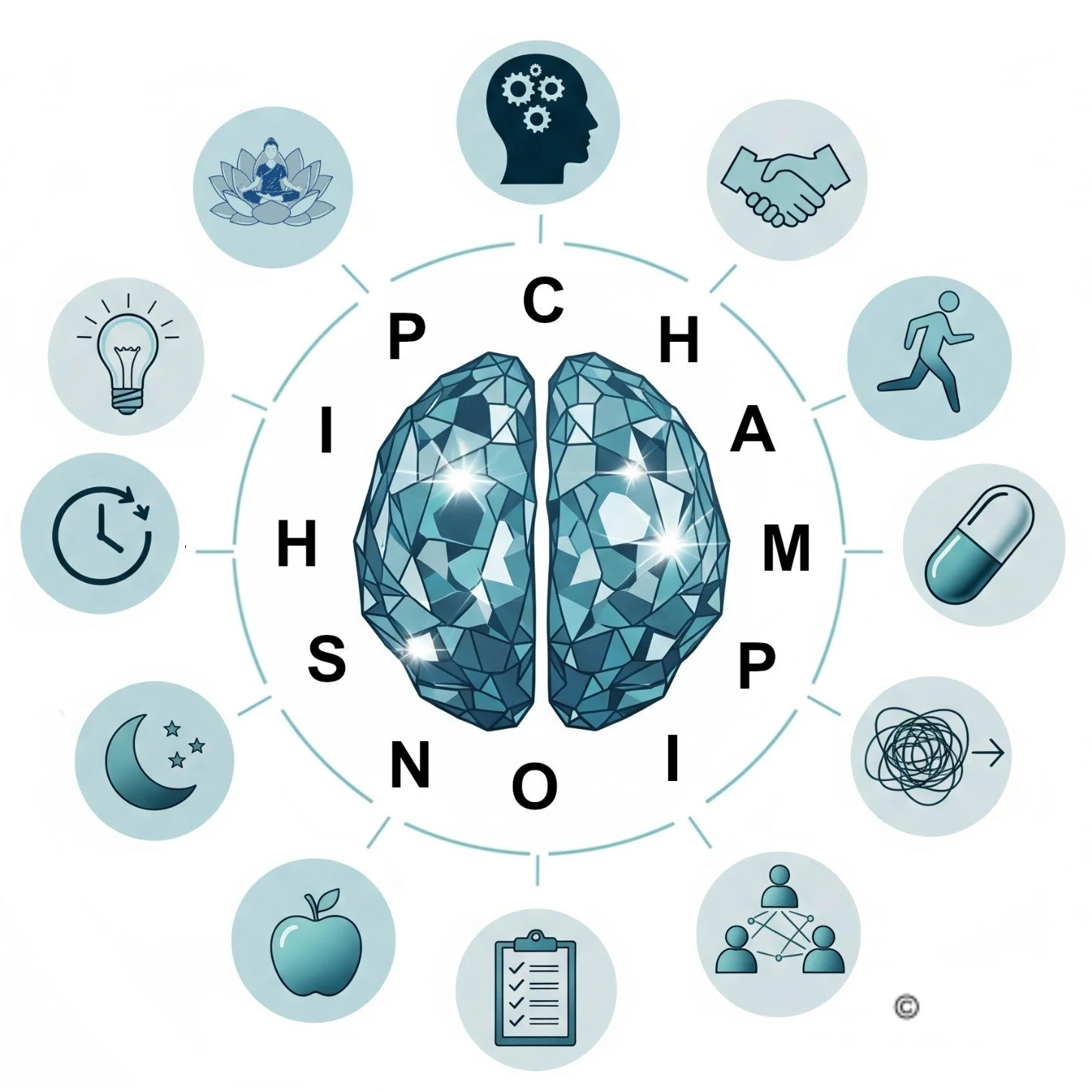
INSPIRATION
RESEARCH
Psychosocial Dynamics and Injury Reporting
Patients with brain injuries can feel like they need to keep their symptoms to themselves and isolate. Feelings of inadequacy or shame can come in, making recovery more difficult by trying to do it alone. Cacioppo and Hawkley115 found that social isolation negatively impacts the brain by causing inflammation and worsening the neuroendocrine stress response that negatively impacts cognition and rehabilitation. Ozbay et al116 suggest building a social support system to combat the stress and anxiety. By having a support system, patients can buffer the neurobiological stress response by increasing resilience and protecting the recovering brain from the damaging physiological effects of both trauma and anxiety.116
Teammates can be a wonderful source of inspiration and support for patients in team sports. Being there for each other during rehabilitation with a sense of inclusion maintains motivation.117 Wiese-Bjornstal et al117 established that maintaining social integration with teammates and coaches during rehabilitation is important for an athlete to recover self-esteem, reduce emotional distress, and promote physical and psychological recovery.
Not every patient is going to have current teammates. Finding new teammates through an online or in-person support group is a way to share and learn coping strategies not always possible on their own. Dennis118 demonstrated that peer support is a complement to formal healthcare because it allows patients to share experiential knowledge, provide practical advice, and encourage one another. Sharing stories, struggles, advice, and even dark humor will be a healthy, easy-to-comply-with coping strategy to recommend to patients post-brain injuries. Muldoon et al119 showed that getting patients involved in meaningful group activities involving others with similar neurological conditions can be important “team” support that contributes to adaptation and resilience. These new teammates understand what the patient has been through with concussions and they can celebrate the wins and validate the process with each other. Haslam et al120 revealed that taking on a shared social identity gives meaning and a sense of belonging to patients as a form of "social cure.”
When family and friends of the patient understand the reasons behind what they are seeing day-to-day, they can better support the patient. Kreitzer et al121 reviewed caregiver and dyad interventions, which showed that when the patient's "inner circle" is educated about traumatic brain injury symptoms, the relationship shifts to become an active inspirational relationship. Once informed, the patient’s inner circle can support them different ways, like offering practical assistance, being a sounding board, and providing a distraction.121 With understanding, they can also learn to predict the patient’s needs during difficult times and improve the rehabilitative environment or situation.121 Celebrating small milestones with the patient's chosen “teammates” provides motivation to continue the rehabilitation. Locke and Latham122 found that setting clear goals and tracking progress on complex tasks can increase patient self-determination, self-efficacy and emotional state. Keeping track of those small wins by creating a "victory log" can be shared with chosen teammates and allows them to celebrate the patient’s progress as well as encourage engagement.
Uchino et al123 pointed out that social support can be in the form of tangible, instrumental, or emotional to decrease the patients stress and maximize cranial health. By identifying the different types of support roles, the patient can receive the type of support needed for symptom management and rehabilitation. One chosen teammate may be better suited to be a fun, lighthearted distraction, while another could be better suited to listening to deeper emotions.